Colombian President Questions Military's Use of Secondhand Planes After Fatal Crash
In the wake of a tragic military plane crash in Puerto Leguizamo, Colombian President Gustavo Petro has publicly questioned the safety and efficacy of using secondhand aircraft in the nation's armed forces. The incident, which occurred on March 23, 2026, resulted in multiple fatalities and injuries, including soldier Mauro Penaranda, who is currently receiving treatment at a military hospital in Bogota.
Details of the Crash and Aftermath
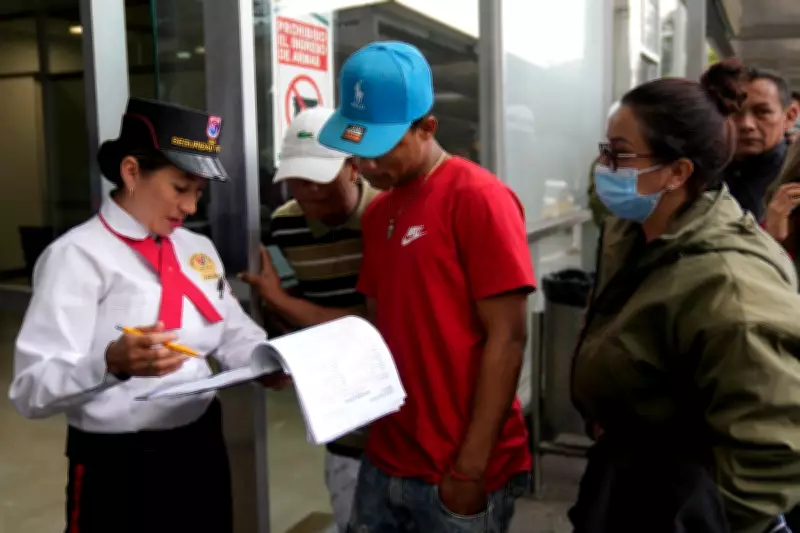
The cargo plane crashed shortly after takeoff from Puerto Leguizamo, a remote area in southern Colombia. The exact cause of the accident is still under investigation by aviation authorities, but preliminary reports suggest possible mechanical failures. Yeferson de la Hoz, the cousin of injured soldier Mauro Penaranda, was seen arriving at the hospital, highlighting the personal toll on military families.
This event has ignited a broader discussion about Colombia's military procurement practices, particularly the reliance on older, used aircraft from other countries. President Petro emphasized the need for rigorous safety checks and potentially upgrading the fleet to newer models to prevent future tragedies.

Broader Implications for Military Safety
The crash raises critical questions about the balance between budget constraints and operational safety in Colombia's defense sector. Secondhand planes, often acquired at lower costs, may come with hidden maintenance issues or outdated technology that could compromise safety. Experts argue that while cost-saving measures are necessary, they should not come at the expense of soldiers' lives.
In response, the Colombian Ministry of Defense has announced a review of all military aircraft, focusing on those obtained secondhand. This review aims to assess their airworthiness and implement stricter maintenance protocols. Additionally, there are calls for increased investment in domestic aviation technology to reduce dependence on foreign surplus equipment.
Global Context and Comparisons
Colombia is not alone in facing such challenges; many nations with limited defense budgets resort to purchasing used military hardware. However, incidents like this underscore the risks involved. Comparisons are being drawn to other countries that have experienced similar crashes due to aging fleets, prompting international discussions on best practices for military aviation safety.
As the investigation continues, families of the victims and the public await answers, hoping that this tragedy will lead to meaningful reforms in Colombia's military operations. The president's outspoken stance signals a potential shift towards prioritizing safety over cost in future procurement decisions.