Massive Chinese Fishing Fleet Gathers Near Taiwan, Sparking Regional Tensions
Thousands of Chinese fishing boats have massed in the sea near Taiwan's Matsu Islands, raising significant questions and escalating regional tensions. The sudden congregation of vessels has drawn attention to the strategic and sensitive waters just kilometers from mainland China.
Frontline Defense Posturing
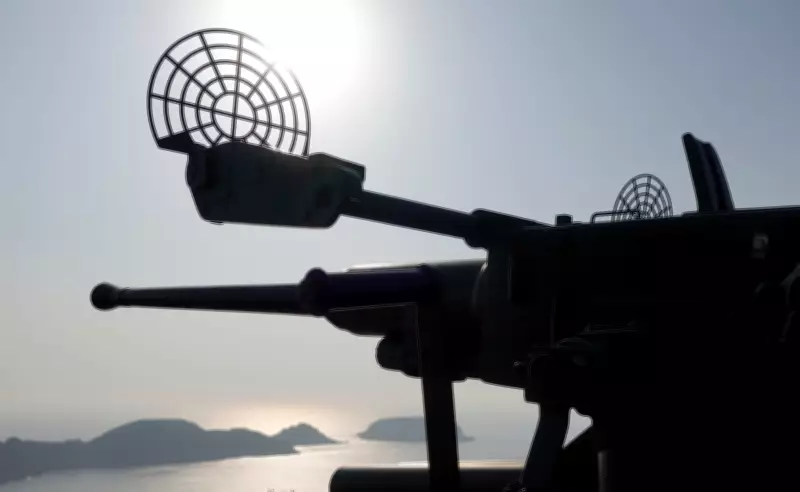
On the observation deck of Beigan Island, part of the Matsu archipelago, an antiquated 40mm anti-aircraft gun points toward the sea, symbolizing the defensive posture maintained by Taiwanese forces. The Matsu Islands, located a mere 10 kilometers from mainland China at their closest point, have served as a fortress and frontline defense position since Nationalist forces retreated to Taiwan in 1949 after losing the civil war to the Communist Party.
This geographical proximity makes any maritime activity in the area particularly sensitive. The islands' strategic importance has only grown over decades of cross-strait tensions, with their defense infrastructure serving as both practical deterrent and political symbol.

Unprecedented Maritime Gathering
The scale of the current fishing fleet assembly appears unprecedented in recent years. While Chinese fishing vessels regularly operate in these waters, the concentration of thousands of boats simultaneously has created a visible maritime presence that cannot be ignored by regional observers.
Analysts note that such mass gatherings of fishing vessels have sometimes preceded or accompanied other maritime activities in disputed waters around the world. The timing and scale of this event have therefore raised legitimate questions about its purpose and potential implications for regional stability.
Broader Regional Context
This development occurs against a backdrop of ongoing tensions across the Taiwan Strait. China considers Taiwan part of its territory and has not ruled out using force to achieve reunification. Taiwan maintains its de facto independence with a separate government and military.
The Matsu Islands represent one of the most tangible points of contact between these opposing positions. Their fortification and continued military presence underscore the unresolved nature of cross-strait relations nearly eight decades after the civil war's conclusion.
Environmental and Economic Dimensions
Beyond the immediate security concerns, such a large concentration of fishing vessels raises questions about sustainable fishing practices and marine resource management. The East China Sea and surrounding waters have faced challenges related to overfishing and maritime resource disputes among neighboring countries.
The economic implications for local fishing communities on both sides of the strait could be significant, particularly if the vessel concentration affects traditional fishing grounds or creates competition for limited marine resources.
Monitoring and Response
Regional authorities and international observers are closely monitoring the situation. The response from Taiwanese defense forces, including the visible positioning of defensive equipment like the anti-aircraft guns on Beigan Island, indicates a state of heightened alert.
This maritime development serves as a reminder of the delicate balance maintained in the Taiwan Strait and the potential for seemingly routine activities like fishing to take on broader geopolitical significance in contested waters.