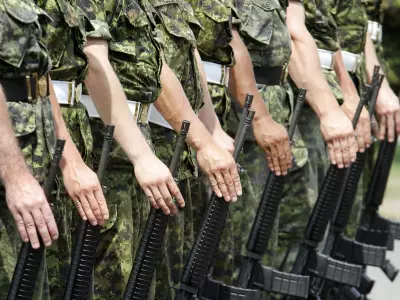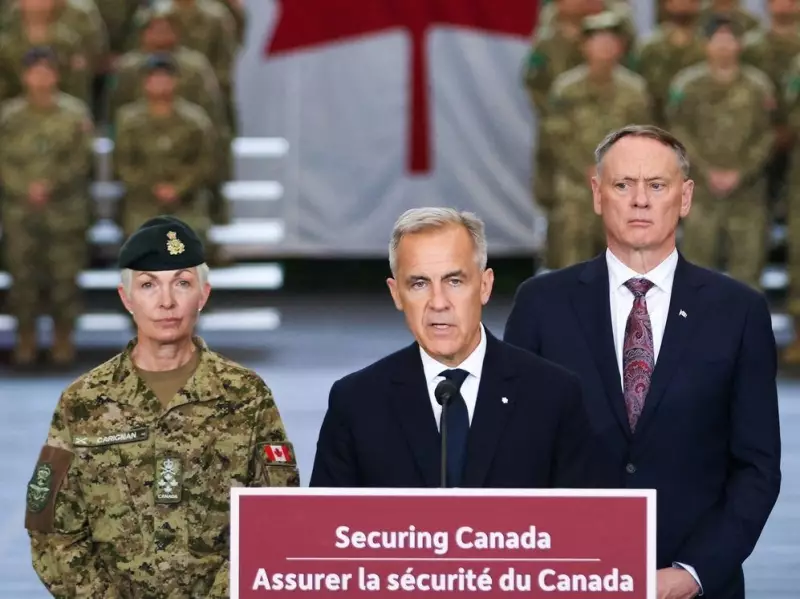
A controversial proposal from Canada's top military commander, supported by Prime Minister Mark Carney, to establish a massive 300,000-strong "citizen militia" during peacetime is facing serious logistical and practical questions from a retired military intelligence officer. The plan, which suggests initially training civil servants for just one week, was put forward by Chief of the Defence Staff General Jennie Carignan.
A Proposal Met With Skepticism
In a column published on December 20, 2025, retired officer Robert Smol expressed deep skepticism after taking time to absorb the proposal. He notes that the concept of raising such a large, unconventional force is historically a move of desperate nations on the brink of losing a war. Smol questions whether the Carney government and military leadership have already conceded a future conflict before it has begun, despite Carignan's public assertions that Canada is ready for war.
The core of the proposal involves building the militia on a foundation of civil servants who would receive a single week of military training. Smol, drawing on his experience of over 20 years in the Canadian Armed Forces and having trained hundreds of reservists, argues this timeframe is woefully inadequate.

The Reality of One-Week Warriors
Smol outlines the fundamental skills a soldier needs, which he believes cannot be mastered in seven days. These include safely handling, loading, and shooting standard weapons, understanding military rank and organization, administering first aid, and defending against chemical, biological, radiological, and nuclear (CBRN) threats.
More importantly, he stresses that the essential military attributes of confidence, teamwork, leadership, unit cohesion, and discipline cannot be instilled in such a short period. He raises a critical safety concern: "How much risk do these ad hoc, minimally trained militia members pose to themselves, the Canadian Armed Forces, and Canada before they present any risk to the enemy?"
A Publicity Stunt or a Serious Plan?
The analysis suggests the militia plan may be more about political theatre than genuine defence preparedness. Smol posits it could be a "cheap show of defence resolve" aimed at reassuring the United States and NATO allies of Canada's commitment, potentially driven by anti-Trump sentiment that may fade after the next U.S. election.
He draws a comparison to the Canadian Rangers, a non-combat, mostly Indigenous auxiliary force that patrols Canada's north. The Rangers also undergo about a week of basic training and have no combat mandate, yet they have recently been highlighted in government public affairs campaigns. Smol points out a key difference: while the Rangers are respected for their cultural hunter-trapper skills, the same deference may not be given to "civil servants, teachers, tax accountants or grocery clerks from suburban Toronto or Ottawa" who might join the southern militia.
Ultimately, Smol calls for a "grown-up conversation" about the proposal, hoping that if such a militia is formed, its members will hold themselves to the highest standards despite their brief training. The proposal, as it stands, presents significant questions about Canada's strategic military planning and the realistic expectations placed on citizen soldiers.