Canadian Soldiers Hospitalized After Arctic Training Exercise in Alaska
More than thirty Canadian soldiers based in Petawawa, Ontario, have suffered frostbite injuries during a recent military exercise in Alaska, with several requiring hospitalization in Fairbanks. The incident occurred during Exercise Global Resolve in February, raising significant concerns about the quality of equipment issued to military personnel and the adequacy of planning for extreme Arctic conditions.
Conflicting Reports and Military Response
Soldiers contacted the Ottawa Citizen to report that the Canadian Army was attempting to conceal details about frostbite injuries affecting more than sixty troops who participated in the exercise. According to these sources, a number of frostbite cases were extremely serious and required medical attention.
The Canadian Army initially declined to provide specific numbers of injured soldiers on March 6, citing privacy concerns. However, on March 12, an Army spokesperson confirmed to the Edmonton Journal that a small number of soldiers had been hospitalized and another thirty had to leave the exercise due to their injuries.

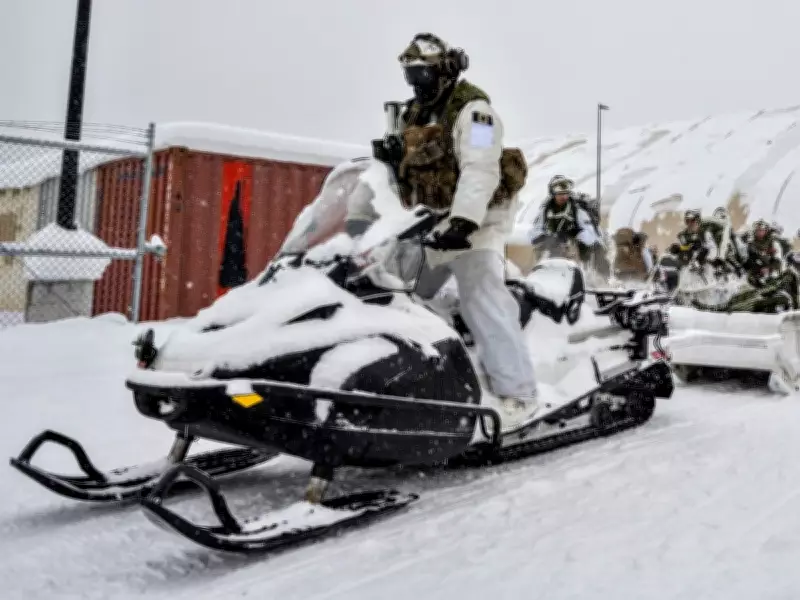
Several members of the Petawawa-based 3rd Battalion of the Royal Canadian Regiment suffered frostbite serious enough to require hospitalization while practicing light infantry tactics in Arctic conditions. The discrepancy between soldier reports of sixty to seventy injuries and the Army's confirmed numbers remains unexplained.
Extreme Weather Conditions and Injury Details
The injuries occurred during the early morning hours of February 21, when soldiers were conducting a force-on-force offensive. Temperatures plummeted dramatically from -18°C the previous day to -43°C overnight, including wind chill factors that created dangerously cold conditions.
Department of National Defence spokesperson Nick Drescher Brown acknowledged that "the nature of the injuries was consistent with those expected, both in type and severity, during major operations in the North." He noted that soldiers had received cold weather training focusing on injury prevention, cold-weather mitigation, and rapid response drills prior to the exercise.
However, Drescher Brown emphasized that "there is no substitute for operating in the Arctic" and explained that a sudden weather change during the night of the incident caused the injuries. "When this occurred, leaders at all levels quickly recognized these emerging injuries and had members treated as early as possible," he added in an official statement.
Equipment and Planning Concerns
Soldiers involved in the incident have expressed concerns about poor planning, leadership decisions, and inadequate equipment that may have contributed to the frostbite injuries. The Canadian Army did not make the incident public until soldiers began contacting news outlets, and details have been circulating on social media citing between sixty and seventy injuries.
The military initially cited privacy law for declining to provide exact numbers of injured personnel. "In accordance with the Privacy Act, the Canadian Armed Forces is unable to release personal or medical information that could reasonably identify an individual," Drescher Brown noted. "Detailed injury information or exact figures that could reveal the identity of affected members cannot be provided."
This incident highlights the significant challenges of military operations in extreme Arctic environments and raises questions about preparation and equipment adequacy for such conditions.