Canadian Soldiers Hospitalized After Extreme Cold Hits Arctic Training Exercise
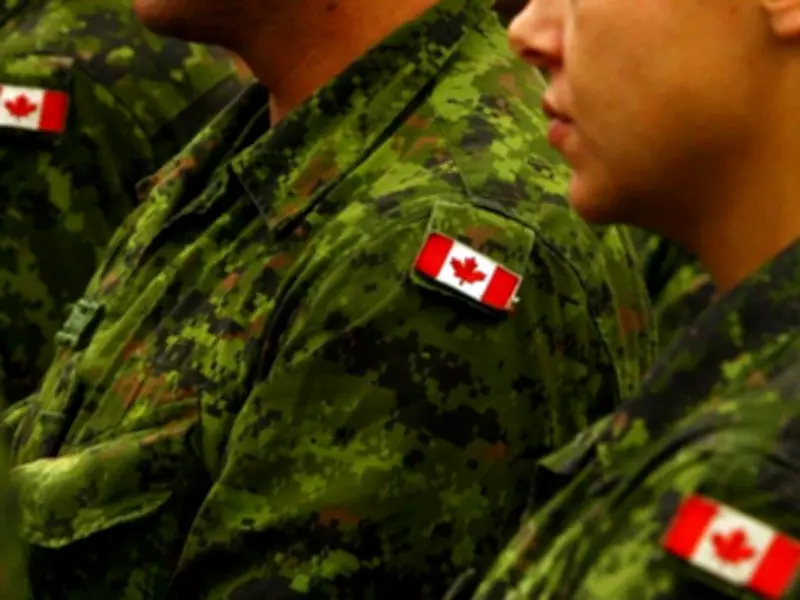
More than thirty Canadian soldiers are currently recovering from serious cold-weather injuries sustained during a major Arctic training operation in Fairbanks, Alaska. The incident occurred as part of Exercise GLOBAL RESOLVE 2026, which concluded this Friday, highlighting the brutal challenges of operating in extreme northern environments.
Rapid Temperature Drop Catches Troops Off Guard
The injuries took place during the early morning hours of February 21st, when soldiers from the Petawawa-based 3rd Battalion of the Royal Canadian Regiment were conducting offensive operations. According to military officials, temperatures plummeted dramatically from -18°C the previous day to a bone-chilling -43°C overnight when wind chill was factored in.
"The temperature was approximately -30°C and dropped by a further seven degrees within a matter of hours, much faster than was projected," explained Major Stacie Nelles, a spokesperson for the Canadian Armed Forces.

Multiple Hospitalizations and Casualties Reported
The cold-weather injuries were severe enough that several soldiers required hospitalization at Fairbanks Memorial Hospital. These individuals were immediately removed from the exercise for medical treatment.
"In addition to the hospitalized individuals who were removed from the exercise, there were approximately thirty casualties due to cold weather injuries who were also removed from the training area and, for a variety of reasons, unable to continue with the exercise," Nelles confirmed.
Emergency Response and Training Context
Military leaders responded quickly to the dangerous conditions. "Rapid action was taken to transition the soldiers to an administrative posture, establish tents, and begin caring for personnel," Nelles stated.
The training was conducted at the Joint Pacific Multinational Readiness Center in Alaska as part of the Canadian Army's annual high-readiness training cycle. This exercise specifically tests cold-weather warfare readiness for forces preparing for Arctic and Pacific missions.
Part of Broader Arctic Strategy
Exercise GLOBAL RESOLVE 2026 represents a significant component of the Canadian Armed Forces' 2026 strategy to reinforce Arctic sovereignty and security. The operation involved collaboration with NATO and U.S. allies, including the U.S. 11th Airborne Division, along with multinational partners from Mongolia, Sweden, Norway, Italy, and Finland.
For the 3rd Battalion, Royal Canadian Regiment, this exercise represented their opportunity to achieve Level 6 validation in preparation for Global Response Task Force duties.
Military Equipment and Procedures Under Scrutiny
Despite the significant number of injuries, military officials maintain that equipment and procedures were not to blame. "There is no indication that negligence, poor military tactics, techniques, and procedures, or equipment deficiencies led to above-normal injury rates," Nelles emphasized.
She further explained that "3rd Battalion, Royal Canadian Regiment has invested significant effort in refining their cold-weather equipment and practices with good effect, though, as always, these measures cannot eliminate risk entirely in these conditions, especially when there is a rapid change in the environment while members are in the field."
Broader Implications for Arctic Operations
This incident underscores the extreme challenges facing military personnel operating in Arctic environments, even with advanced preparation and equipment. As climate change continues to alter northern landscapes and geopolitical interest in the Arctic intensifies, such training exercises become increasingly critical for maintaining operational readiness.
The Canadian military's commitment to Arctic sovereignty and security remains unwavering, with these difficult training scenarios designed to prepare forces for the harshest conditions they might encounter during actual missions in Canada's northern territories and beyond.