Canadian Forces Secrecy on Kuwait Base Attack Unjustified, Says Expert
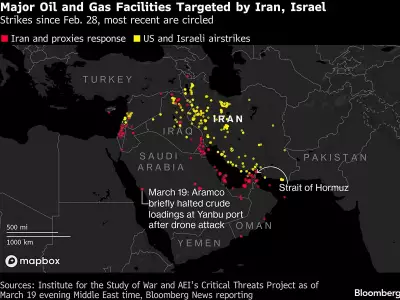
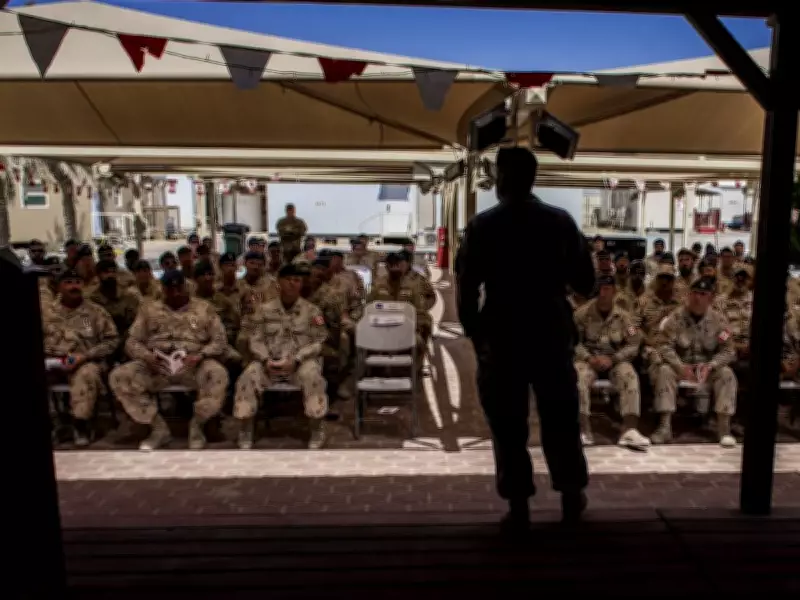
In recent weeks, the Department of National Defence (DND) has inflicted multiple reputational wounds upon itself through a series of public communication failures. Most notably, La Presse reported that over a week earlier, an Iranian missile struck a Kuwaiti military facility, endangering personnel from several nations, including Canadian Armed Forces (CAF) members stationed at their operational support hub.
Prime Minister's Response Highlights Communication Breakdown
When questioned about why Canadians were not informed sooner, Prime Minister Mark Carney responded plaintively, stating, "I'm not the only spokesperson for the Government." This choice of words suggests that the specifics of the incident likely caught him by surprise as well, or that DND officials were expected to be more publicly forthcoming on their own initiative.
Further compounding the issue, it has now been revealed that even Defence Minister David McGuinty was unaware of the incident before the newspaper broke the story. This lack of internal communication underscores a significant breakdown within the department's information-sharing protocols.

Systemic Communication Failures at DND
The key takeaway from this incident is that it serves as a stark example of the current regrettable state of communication functions at Defence and across the federal government. Ideally, the prime minister's reaction and the minister's tardy revelation should act as a powerful signal from the highest levels, highlighting the urgent need to reform, empower, and unleash the apparatus supporting federal government communications.
As Carney remarked in Davos, it is time "to see things the way they are." The reality, as illustrated by several examples at DND, includes:
- Fumbled messaging on a proposed civilian mobilization plan of massive scale
- Silence following findings by an external oversight body that military police investigations were deeply flawed
- Poor treatment of farmers and others concerned about potential land expropriation for radar sites
- Evasive responses about the role of CAF members posted to or training in the U.S., including support for U.S.-led drug interdiction efforts in the Caribbean and operations overseas
- Refusal to release imagery of the air force commander signing the fuselage of an F-35 destined for RCAF pilot training
- Unclear communication regarding how many soldiers suffered frostbite on a winter exercise and why
Broader Implications and Need for Reform
Individually, these incidents might be dismissed as missteps or unfortunate lapses in judgment and communication advice to leaders, including the minister. However, when taken together, they reflect a broader, deeply rooted mindset and pattern of behavior that points to something more problematic.
There appears to be a lack of institution-wide, strategic-level direction and guidance for the communication function, fit-for-purpose policy, and appropriate oversight by actively engaged senior military and civilian leaders, whether political or otherwise. A "3-D" approach should refer to defence, diplomacy, and development, not delay, deflect, and deny.
The secrecy surrounding the Kuwait base attack is entirely unjustified, and the quality of communications emanating from DND remains regrettable. This incident should serve as a catalyst for comprehensive reform to ensure transparency and accountability in future operations.