Canada finds itself in a strategically delicate position as renewed geopolitical tensions focus on the Arctic region. Analysis by journalist Heather Wright, published on January 14, 2026, examines the nation's defensive capabilities and vulnerabilities in the face of potential annexation plans for Greenland by U.S. President Donald Trump.
Canada's Arctic Sovereignty Under Scrutiny
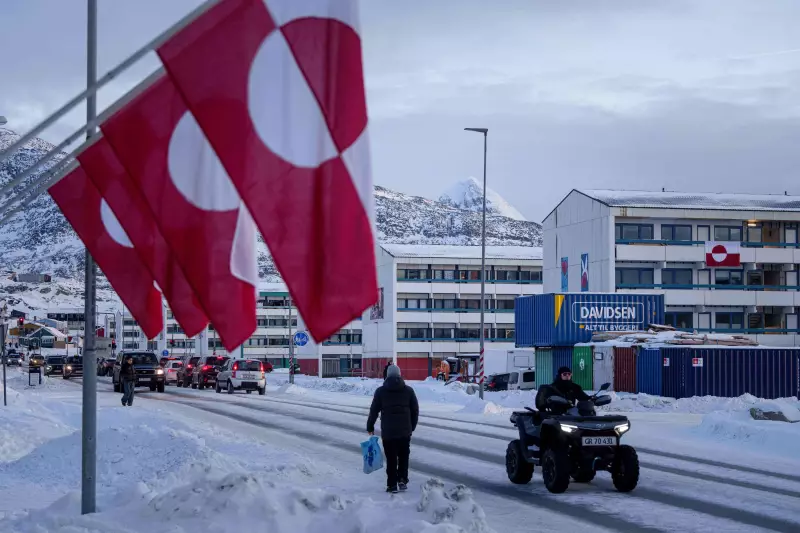
The core of Wright's examination centres on the assertion that 'Canada is right in the middle' of this emerging international issue. While the direct territorial threat is aimed at Greenland, an autonomous territory within the Kingdom of Denmark, the ramifications for Canadian sovereignty and security in the Arctic are profound. The analysis probes the current state of Canada's military and surveillance assets in its vast northern territories, questioning their readiness for an era of heightened great-power competition.
The Nature of the Threat and Canadian Vulnerability
Trump's reported threats or ambitions regarding Greenland represent a significant shift in traditional U.S.-allied posturing in the Arctic. For Canada, a close neighbour and NORAD partner, this creates a complex dilemma. The analysis suggests that such moves by the United States could undermine decades of continental defence cooperation and force Canada to reassess its own strategic autonomy in the Far North. The country's extensive Arctic coastline and claims over the Northwest Passage become focal points of concern in this scenario.

Broader Implications for Defence and Diplomacy
Wright's piece implies that the situation necessitates a urgent review of Canada's Arctic defence policies and investment. The potential for a more assertive U.S. presence adjacent to Canadian territory could accelerate militarization in the region, drawing in other powers like Russia and China. It also places immense pressure on Canada's diplomatic channels, requiring careful navigation to protect national interests while managing the relationship with its most important ally and trading partner. The analysis serves as a stark reminder that global geopolitical shifts can have immediate and direct consequences for Canadian security, even when the initial target is elsewhere.
The examination by Heather Wright ultimately frames this as a pivotal moment for Canadian foreign and defence policy, challenging leaders to ensure the nation is not caught unprepared in a rapidly changing geopolitical environment centred on the Arctic.