In a surprising geopolitical twist, some voices in Canada are suggesting the nation might have a vested interest in supporting former U.S. President Donald Trump's long-stated ambition to acquire Greenland. This perspective, far from the official stance of Canada's political elite, is rooted in growing concerns over sovereignty in the rapidly changing Arctic.
The Shifting Landscape of the Far North
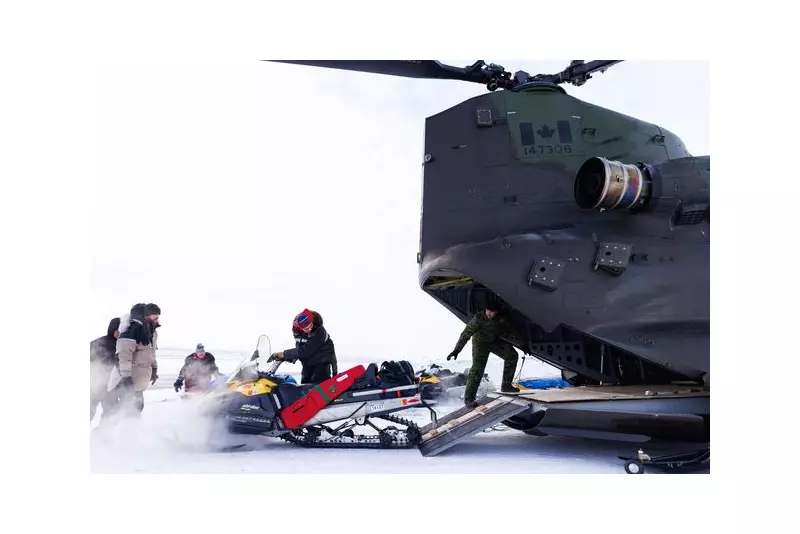
The core argument hinges on a stark new reality. While Canadians have long viewed the Arctic as their sovereign domain, other global powers are actively increasing their presence. Both China and Russia are undertaking significant activities in Canada's northern territories, challenging the status quo. In contrast, Canada's primary on-the-ground presence consists of the valiant but limited Canadian Rangers.
The challenges faced by the Rangers are symbolic of broader issues. For decades, they used Second World War-era Lee-Enfield rifles, only receiving replacements—Colt Canada rifles—a few years ago. Reports suggest these new firearms have struggled to perform reliably in the extreme cold of the Arctic, a critical failing for equipment meant to assert sovereignty.

A Question of Allies in a New Cold War
The fundamental question posed is: who would Canada prefer as a neighbour in the North Atlantic? The choice, as framed, is between an expansionist Russia and China, or the United States. Despite political friction, the columnist points out that most Canadians view Americans as freedom-loving allies, faults notwithstanding.
The historical precedent for such territorial shifts is well-established. The United States has a long history of strategic land purchases for security, including Florida from Spain in 1819, Alaska from Russia in 1867 (the same year as Canadian Confederation), and the Virgin Islands from Denmark in 1917. Acquiring Greenland from Denmark would follow this pattern, creating a powerful American bulwark in the North Atlantic.
Canadian Paralysis vs. Geopolitical Momentum
The argument is sharpened by a critique of domestic Canadian policy. The column highlights the Mark Carney government's reported failure to meet its committed target of increasing defence spending to 2% of GDP, attributing it to an inability to make decisive decisions. This perceived domestic paralysis stands in stark contrast to the decisive actions of other nations in the Arctic region.
With traditional European powers like Britain, France, and Germany seen as struggling to contain an aggressive Russia, the United States emerges as the only actor with the capability and geographic imperative to secure the region. The provocative conclusion is that a U.S.-controlled Greenland is a far more palatable outcome for Canadian security than a region dominated by rival powers, making Trump's ambition, however unorthodox, a potential strategic boon for Canada.