Canada Weighs Military Assistance in Gulf Shipping Crisis While Rejecting Offensive Role
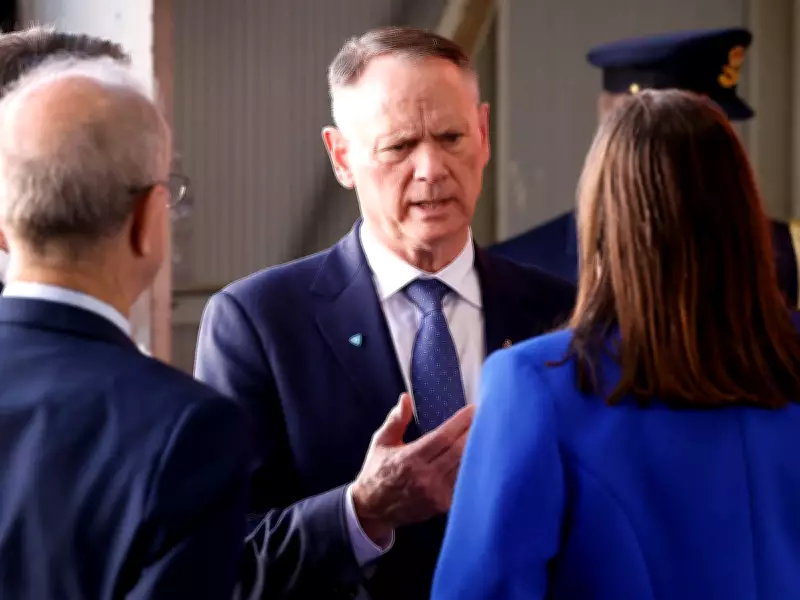
As the United States calls on allies to help defend the Gulf region from Iranian threats, Canada's Defence Minister David McGuinty has stated that his government is "leaving the door open" to providing military support. However, he firmly reiterated that Canada has "no intention of getting involved offensively in the prosecution of the war in the region."
U.S. Request for NATO Assistance in Strategic Waterway
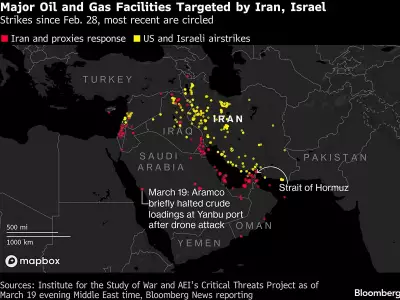
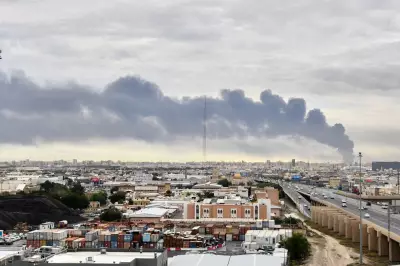
U.S. President Donald Trump has specifically requested assistance from NATO allies to help secure the Strait of Hormuz, a crucial global oil shipping route in the Persian Gulf. Iran has been restricting passage through this strategic waterway since February 28, when the Islamic Republic came under attack by U.S. and Israeli forces.
"It's only appropriate that people who are the beneficiaries of the Strait will help to make sure that nothing bad happens there," Trump told the Financial Times, noting that many NATO allies depend more heavily than the United States on oil exports from the Gulf region. He warned that "if there's no response or if it's a negative response, I think it will be very bad for the future of NATO."

Canada's Cautious Stance on Regional Involvement
During a press conference in Ottawa, Minister McGuinty addressed the potential for Canadian involvement, stating: "The question of assistance and neighbouring Gulf countries is one that we're considering. It will depend on the nature of any kind of ask."
He emphasized that "the question of the White House's overture to NATO members and participation in the Strait of Hormuz is something that all NATO members are examining," while clearly drawing boundaries around Canada's potential role.
The defence minister described the situation as "evolving" and acknowledged the challenges in obtaining reliable information about activities in the strategic waterway. "It's hard to get hard information, to be honest with you, in terms of what's going on in the width of that particular strait," McGuinty told reporters. "We're not quite sure what the overture was or is not, so we're going to talk amongst our NATO allies, and we will govern ourselves accordingly."
Global Economic Impact of Strait Closure
The closure of the Strait of Hormuz has created significant economic repercussions worldwide. Approximately 20 percent of global oil output and 20 percent of the world's liquefied natural gas travels through this narrow passage. While Eastern Canada imports minimal oil from the Gulf, the shipping crisis has severely impacted Canada's agricultural sector, which relies heavily on this route for grain exports.
The disruption has driven global oil prices upward, with Brent crude reaching approximately US$100 per barrel. This market pressure has intensified the urgency for the U.S. administration to resolve the shipping blockade.
International Responses and Regional Tensions
Iran has continued to allow oil exports to China through the strait while threatening attacks on other tankers. U.S. officials reported last week that Iran has begun laying mines in the strategic waterway, escalating regional tensions.
The U.S. request for assistance has already met with rejection from Germany, while United Kingdom Prime Minister Keir Starmer indicated his government had not reached a decision but would avoid being drawn into conflict with Iran.
President Trump has also pressured China to contribute to securing the strait, highlighting the global nature of the shipping crisis and its implications for international trade and energy security.