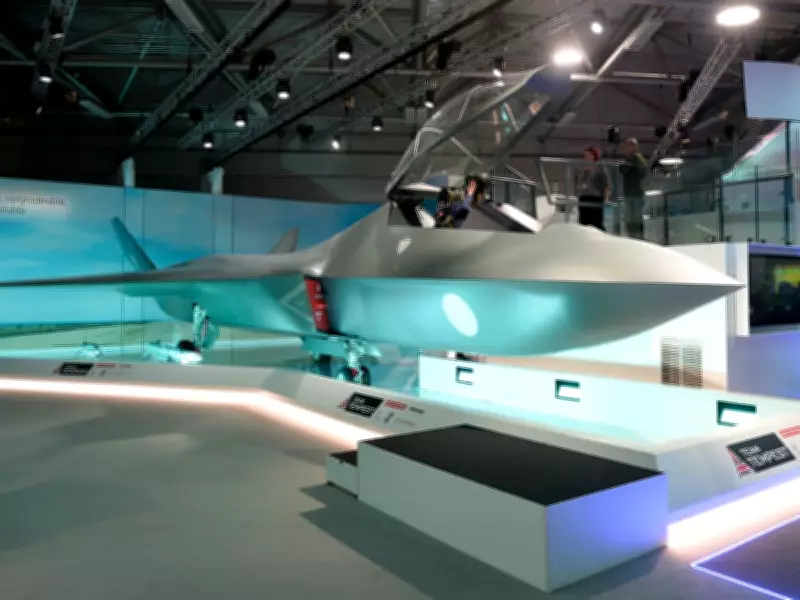
Canada is intensifying efforts to gain admission as an observer to the advanced fighter jet development program jointly operated by the United Kingdom, Italy, and Japan, according to multiple sources familiar with the ongoing negotiations. This strategic move represents Ottawa's latest initiative to distance itself from the United States while forging stronger alliances with other key trading partners on the global stage.
Strategic Diversification of Defense Procurement
A senior Canadian government official confirmed to the Financial Times that these lobbying efforts are part of a broader strategy to diversify defense procurement and cultivate partnerships with like-minded allies. Ottawa has formally submitted a request to the United Kingdom and plans to dispatch similar letters to Japan and Italy in the coming days, signaling a coordinated diplomatic push.
Observer Status as a Gateway
Observer status within the Global Combat Air Programme (GCAP) would provide Canada with access to certain confidential project information while the nation evaluates whether to participate as a buyer or joint development partner at a later phase. This provisional role was specifically designed to create a streamlined pathway for additional countries to engage with the multibillion-dollar program without necessitating a complex expansion of the core trio of founding nations.

Timeline and Likelihood of Admission
The decision regarding Canada's potential entrance into GCAP could be finalized during a pivotal meeting scheduled for July. Officials with knowledge of the project indicate that Canada's admission is highly likely to receive approval, although previous discussions among the original three partners revealed some internal divisions regarding the expansion of the group.
Geopolitical Motivations Behind the Move
Canada's lobbying campaign unfolds as GCAP itself encounters obstacles, particularly concerning uncertainties over United Kingdom funding due to delays in the country's long-term defense spending strategy. Two officials described Canada as currently uncommitted as either a buyer or joint developer but emphasized the nation's geopolitical interest in participating in a non-U.S. defense project. This aligns with Prime Minister Mark Carney's ambitious plans to increase defense spending to five percent of GDP by 2035, marking Canada's most significant postwar military buildup.
Background and Objectives of GCAP
Established in 2022 by the United Kingdom, Italy, and Japan, GCAP aims to reduce reliance on the United States for F-35 fighter jets and enhance sovereign control over technologies critical to advanced aerial warfare systems. The program targets its first delivery in 2035, representing a long-term commitment to technological independence and collaborative defense innovation.
Recent Developments and Funding
Last week, the three partner nations signed a substantial £686 million contract with Edgewing, an industrial consortium comprising national defense contractors, for essential engineering and design work extending through the end of June. This agreement constitutes the funding dispensed by the trilateral entity and serves as a temporary measure to allow the United Kingdom time to finalize its decade-long defense investment plan before a more substantial, long-term financial injection into Edgewing.
This initiative occurs against a backdrop of an increasingly uncertain global security landscape, influenced by the policies of U.S. President Donald Trump, prompting Canada to explore alternative defense partnerships and assert greater autonomy in its military procurement strategies.