In a significant development for Ontario's post-secondary education landscape, St. Lawrence College and Fleming College have announced plans to merge, creating what officials describe as a "larger, more capable institution." The merger, revealed on April 10, 2026, is designed to strengthen educational resources and streamline operations while preserving the distinct local identities of both colleges.
Building a Unified Yet Distinct Educational Powerhouse
The strategic merger between St. Lawrence College, with campuses in Brockville, Cornwall, and Kingston, and Fleming College, based in Peterborough with additional sites in Lindsay, Cobourg, and Haliburton, aims to combine their strengths. This consolidation is expected to enhance program offerings, improve student services, and increase administrative efficiency across a broader geographic area. By pooling resources, the colleges anticipate being better equipped to meet evolving educational demands and workforce needs in Eastern Ontario.
Preserving Local Brands and Community Ties
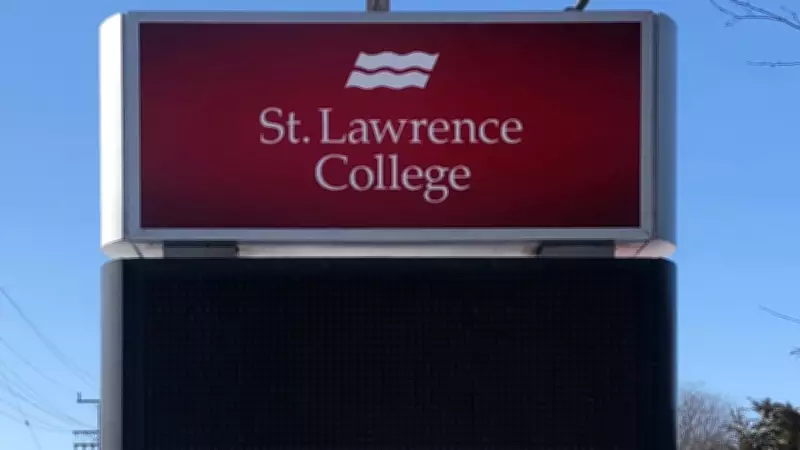
A key aspect of the merger is the commitment to maintain the "local brands" of both institutions. This means that while they will operate under a unified administrative structure, each campus will continue to reflect its unique community identity and heritage. For instance, St. Lawrence College's sign in Brockville, as seen in a 2020 photo, symbolizes its long-standing presence, which will remain integral to its operations post-merger. This approach aims to reassure students and stakeholders that the colleges' deep-rooted connections to their respective regions will not be diluted.

The merger comes at a time when many educational institutions are exploring collaborations to address budget pressures and enhance competitiveness. By joining forces, St. Lawrence and Fleming Colleges hope to leverage economies of scale, potentially reducing costs while expanding access to specialized programs and cutting-edge facilities. This move could set a precedent for other colleges in Ontario considering similar partnerships to bolster their capabilities in an increasingly challenging post-secondary environment.