Canada Border Services Agency Debuts Pioneering Fentanyl-Detection Canine Team
The Canada Border Services Agency (CBSA) has officially launched its first-ever canine unit dedicated to detecting fentanyl, marking a significant advancement in the nation's efforts to combat the smuggling of dangerous opioids across its borders. This specialized unit represents a proactive measure to address the ongoing opioid crisis, leveraging the acute senses of trained dogs to identify illicit substances with precision.
Enhancing Border Security with Specialized Training
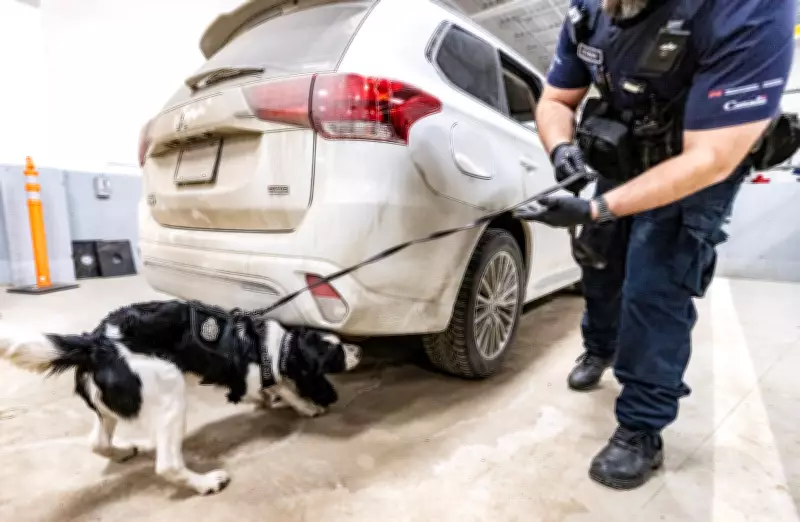
Officer Samuel St. Pierre and his detection dog, Jackson, recently demonstrated their daily operations at the Highway 55 Port of Entry in Stanstead, Quebec. The duo showcased how these canines are trained to sniff out fentanyl, a potent synthetic opioid responsible for thousands of overdose deaths in Canada. The CBSA's initiative aims to intercept shipments before they enter the country, thereby reducing the availability of these harmful drugs on the streets.
This new unit is part of a broader strategy to bolster border security, as fentanyl and its analogs continue to pose a severe public health threat. By deploying dogs specifically trained for fentanyl detection, the CBSA enhances its ability to identify even trace amounts of the substance, which can be lethal in small doses. The program involves rigorous training protocols, ensuring that both handlers and canines are equipped to handle high-risk situations safely.

Addressing the Opioid Crisis Through Innovation
The introduction of this canine unit comes at a critical time, with opioid-related fatalities remaining a pressing concern across Canada. According to health officials, fentanyl is often mixed with other drugs, making it difficult to detect without specialized tools. The CBSA's move underscores a commitment to leveraging innovative methods, such as canine detection, to protect communities from the devastating impacts of drug trafficking.
Experts highlight that canine units have proven effective in detecting various contraband, but this focus on fentanyl is a novel approach tailored to current threats. The dogs are trained to recognize the unique scent profile of fentanyl, allowing them to alert handlers to potential smuggling attempts in vehicles, cargo, and luggage. This capability is expected to significantly improve interception rates at ports of entry, including land borders and airports.
Future Implications and Broader Efforts
Looking ahead, the CBSA plans to expand this program to other regions, potentially deploying additional fentanyl-detection teams nationwide. This expansion aligns with federal initiatives aimed at curbing the opioid epidemic, which includes increased funding for addiction treatment and public awareness campaigns. The canine unit's success could serve as a model for other countries grappling with similar challenges.
In summary, the launch of Canada's first fentanyl-detection canine unit represents a vital step forward in border security and public health protection. By combining traditional enforcement methods with specialized animal training, the CBSA is better positioned to tackle the complex issue of opioid smuggling, ultimately safeguarding Canadian communities from the dangers of illicit drugs.