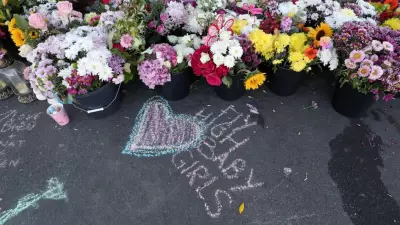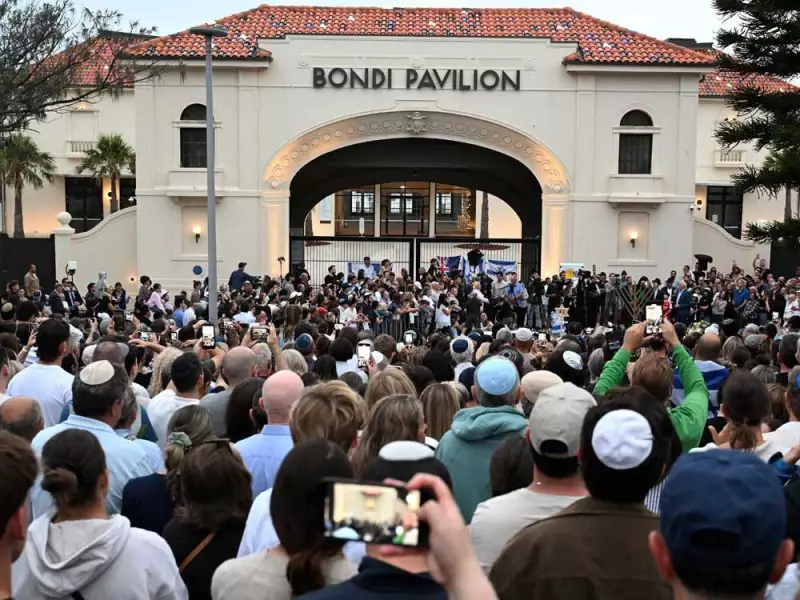
The horrific terrorist attack at Sydney's Bondi Beach, which claimed at least 15 lives, serves as a grim reminder that Western democracies cannot afford complacency. For Canada, the tragedy is not a distant event but a stark warning of a persistent, homegrown threat that has already manifested in a series of disrupted plots.
A Pattern of Near Misses on Canadian Soil
The parallels between the Bondi attack—carried out by a radicalized father and son—and recent Canadian cases are unmistakable. In July 2024, the RCMP arrested a father and son in Toronto who were allegedly planning an ISIS-inspired terror attack. This was not an isolated incident but part of a disturbing trend.
That same year, Ottawa youths faced charges in connection with a bomb plot targeting a Jewish rally on Parliament Hill. In Quebec, authorities arrested a Pakistani foreign national allegedly preparing to cross into the United States to attack Jews in New York City. Other incidents include the arrest of a foreign student in Niagara with improvised explosive devices and the discovery of five individuals, including three minors, with incendiary materials near a Montreal synagogue.

The Ideological Ecosystem and Financing Networks
These plots are not random acts of violence but the predictable outcome of a specific ideological movement. The threat is driven by violent Islamist ideology, often propagated online by groups like ISIS. However, the ecosystem extends beyond the most extreme factions. Organizations such as the Muslim Brotherhood and its affiliates promote a framework that rejects liberal democracy and can serve as a gateway to further radicalization.
The danger is not limited to domestic plots. Canadians have repeatedly attempted to travel abroad to join terrorist organizations. Furthermore, financing networks operate within the country. In 2025, the RCMP uncovered what it described as the largest terrorism financing scheme in Canadian history, involving the funneling of money to ISIS through cryptocurrency.
A Call for Clarity and Courage in Response
Public discourse in Canada has often been evasive, with police sometimes declining to name the terrorist organization involved and media using euphemisms. This reluctance does not enhance security; it diminishes public understanding. Naming Islamist radicalism is not an attack on Muslims but a necessary step to accurately identify the threat. The victims are often clearly targeted, including Jewish communities, LGBTQ+ Canadians, and others.
The lesson from Bondi Beach is that warning signs are frequently minimized or explained away. Canada has had ample warning through its own near misses. A serious response requires moving beyond hope as a strategy. Hope does not disrupt online radicalization pipelines, integrate intelligence, or protect vulnerable communities.
A strategic, honest approach is needed—one that acknowledges the ongoing challenge from Islamist extremism and commits to the political courage required to act before ideology turns into lethal action. The time for willful blindness is over.