Nearly half a year after former Homeland Security Secretary Kristi Noem promised to rapidly acquire and deploy body cameras to officers nationwide, agents involved in the Houston shooting death of Lorenzo Salgado Araujo were not wearing them, according to the department. The incident has reignited criticism over accountability in immigration enforcement under President Donald Trump’s crackdown.
Shooting Under Disputed Circumstances
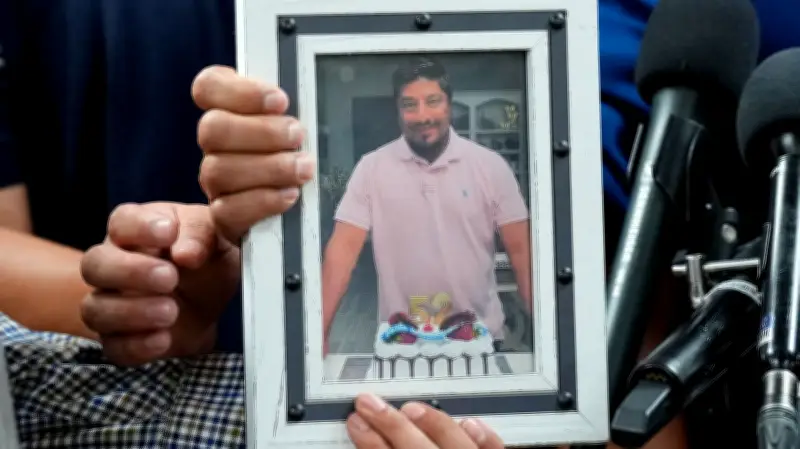
Immigration and Customs Enforcement officers shot and killed Salgado Araujo, a Mexican man who had lived in the U.S. for more than 35 years, after they alleged he rammed an ICE vehicle while fleeing in his van. Witnesses deny those claims, and no evidence has surfaced to support the department’s version of events. Body cameras could have provided crucial clarity, but none were worn by the involved officers.
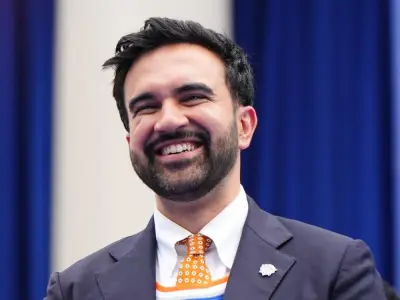
The shooting has drawn fresh scrutiny to ICE tactics as arrests rise and the department receives billions in congressional funding, including $20 million specifically earmarked for body cameras. Rep. Sylvia Garcia, a Democrat from Houston, expressed outrage during a news conference Friday: “Even after we’ve given ICE specifically $20 million for body cameras and Kristi Noem promised in February of this year that she was going to purchase them and get them in the field, that here we were in Houston that the agents didn’t have them.”

Noem’s Pledge and Delayed Rollout
Days after Alex Pretti was killed while protesting ICE activity in Minneapolis in January, Noem announced that every Homeland Security officer there would receive body-worn cameras, calling it the start of a nationwide effort. “We will rapidly acquire and deploy body cameras to DHS law enforcement across the country,” she posted on social media. Noem has since been replaced by Markwayne Mullin.
Homeland Security stated Thursday that body cameras have been deployed to over half of ICE field offices, with the remainder to receive them within 60 days. However, during a phone call with acting ICE head David Venturella, Garcia learned that less than a third of officers nationally have been issued cameras. Venturella promised all officers would have them by the end of July. “Trust me, I will hold him to it,” Garcia said.
Advocates Demand Accountability
Michelle Gross, president of Communities United Against Police Brutality, argued ICE should halt enforcement operations until all officers are equipped. “If they’re going to be running around with guns and stopping people, you damn well better have some body cameras,” she said. “This is an agency that’s soaking up an incredible amount of tax dollars and we can’t have any accountability?”
The lack of cameras follows earlier incidents where some officers wore them but not all. In the Pretti shooting, four Border Patrol agents had cameras, and video helped determine multiple officers fired shots. For the killing of Renee Good, a 37-year-old mother of three, earlier in January, the department has not disclosed whether ICE officers wore cameras. Bystander video of both shootings fueled public outrage.
Transparency Promises and Delays
Former acting ICE head Todd Lyons testified to Congress that body camera footage would eventually be released, but it has not been made public. Lyons and former CBP head Rodney Scott said thousands of officers were already outfitted, with more to come. “That’s one thing that I’m committed to is full transparency,” Lyons said. A January court filing revealed that St. Paul ICE officers lacked cameras, with field office head Samuel J. Olson estimating a six-month timeline for full deployment.
The issue has also surfaced in Chicago, where a judge required federal immigration officers to wear body cameras during “Operation Midway Blitz” to document confrontations with protesters.
Blame Game Over Delays
Homeland Security blamed Democrats for the slow rollout, citing “back-to-back Democrat shutdowns” fueled by anger over Trump’s immigration policies. Garcia dismissed this as “ludicrous,” stating, “That’s just a freaking excuse, because the bottom line is they made a commitment.” Despite bipartisan agreement on the need for body cameras after the Pretti and Good shootings, and the $20 million appropriation in April, implementation remains incomplete.