Airstrikes on Iran Kill Over 25 Amid New Ceasefire Proposal in Mideast Conflict
In a significant escalation of hostilities, Israeli airstrikes targeting Iran have resulted in the deaths of more than 25 individuals, according to reports from April 6, 2026. This military action coincides with the sharing of a new ceasefire proposal, highlighting the volatile and rapidly evolving nature of the Middle East conflict.
Details of the Airstrikes and Casualties
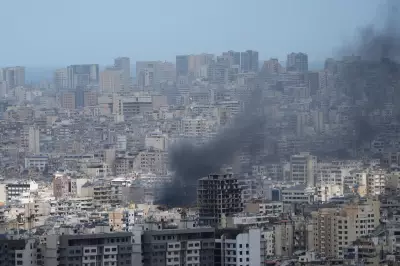
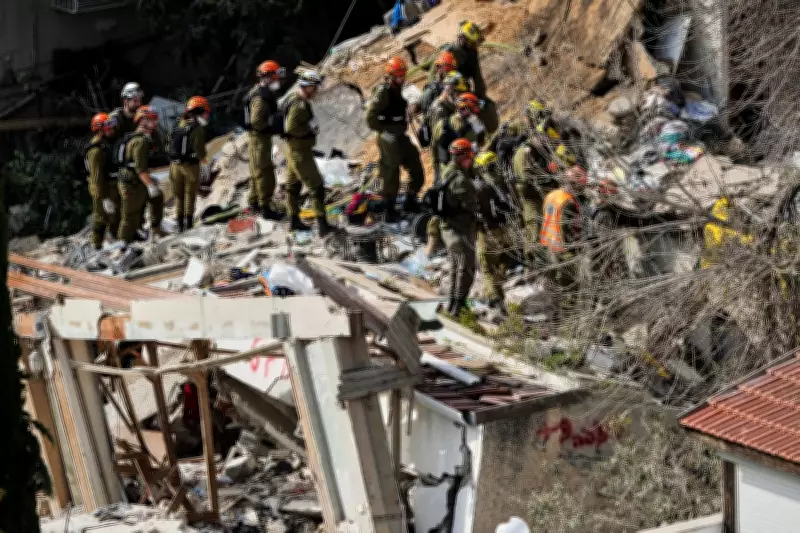
The airstrikes, conducted by Israeli forces, struck multiple locations within Iran, leading to substantial casualties and widespread destruction. Rescue teams are actively searching for missing persons amid the rubble of residential buildings and other structures impacted by the attacks. The death toll has surpassed 25, with many more injured, underscoring the severe human cost of this latest round of violence.
This incident follows a recent missile strike by Iran on Haifa, Israel, which occurred just days prior, indicating a cycle of retaliation that has intensified regional tensions. The timing of these airstrikes, as a new ceasefire proposal is being circulated, adds a layer of complexity to diplomatic efforts aimed at de-escalation.

Ceasefire Proposal and Diplomatic Context
Amid the ongoing military operations, international mediators have shared a fresh ceasefire proposal in an attempt to halt the fighting and prevent further loss of life. The proposal outlines terms for a temporary truce and potential negotiations, but its acceptance remains uncertain given the current hostilities.
The sharing of this ceasefire initiative occurs against a backdrop of heightened geopolitical strain, with both sides demonstrating a willingness to engage in aggressive military actions. Analysts suggest that the proposal may face challenges in implementation unless there is a mutual commitment to dialogue and restraint.
Regional and Global Implications
The escalation in the Middle East conflict has far-reaching implications, affecting regional stability and global security dynamics. The airstrikes and the concurrent ceasefire efforts reflect the delicate balance between military strategy and diplomatic outreach in conflict resolution.
- Humanitarian Impact: The attacks have caused significant civilian casualties and displacement, exacerbating the humanitarian crisis in the region.
- International Response: Global powers are closely monitoring the situation, with calls for restraint and support for peaceful negotiations.
- Future Outlook: The success of the ceasefire proposal will depend on the willingness of all parties to engage in good-faith discussions and reduce hostilities.
As the situation continues to develop, the international community remains hopeful that diplomatic channels can prevail over military escalation, paving the way for a sustainable resolution to the conflict.