At least 24 members of Venezuela's security forces were killed during a United States-led operation aimed at capturing the country's president, Nicolás Maduro, according to official statements. The incident, which occurred recently, marks a significant escalation in international tensions surrounding the Venezuelan government.
Details of the Fatal Operation
Officials disclosed that the operation, executed by U.S. forces, resulted in the deaths of two dozen Venezuelan security personnel. While the precise location and full tactical details remain under wraps, the high casualty figure underscores the violent resistance encountered during the attempt to detain President Maduro.
Former U.S. National Security Advisor John Bolton commented on the action, stating that President Trump "did the right thing by removing Maduro." However, Bolton also publicly questioned the subsequent dismissal of Venezuela's opposition leaders, suggesting a potential strategic misstep in consolidating a post-Maduro political landscape.

Reactions and Economic Implications
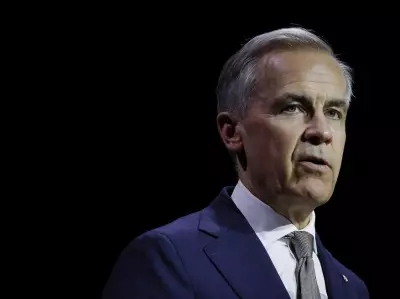
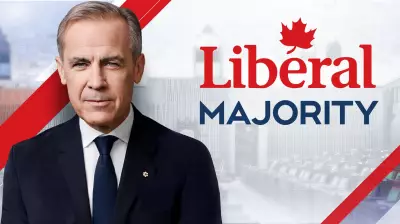
The dramatic event has sent ripples through the international community and global markets. In a related economic assessment, former Bank of Canada governor Mark Carney offered analysis on the situation's impact on energy sectors. Carney stated that Canadian oil will remain competitive following Maduro's ouster, implying a potential shift in global oil dynamics with Venezuela's state-controlled industry in flux.
The operation and its aftermath present a complex scenario. While the immediate goal of capturing Maduro was reportedly pursued, the significant loss of life among Venezuelan officers and the uncertain political roadmap ahead pose serious challenges for stability in the region.
A Dangerous Precedent in Foreign Policy?
The incident has sparked immediate debate on the world stage. In Canada, commentary has emerged questioning the broader implications. One analysis piece highlighted "the dangerous precedent of Poilievre's support for Maduro's arrest," pointing to domestic political reactions to the aggressive foreign intervention. This perspective frames the operation not just as an international incident, but as an event influencing diplomatic and political discourse among allies.
The fallout from this operation continues to develop, with questions remaining about the exact circumstances of the firefight, the current status of Maduro, and the long-term plan for Venezuela's governance and its relations with the Western hemisphere.