

Quebec Bar Association Condemns CAQ's Use of Constitutional Override Power
The Quebec Bar Association has launched a strong critique against the Coalition Avenir Québec (CAQ) government, accusing it of systematically abusing the constitutional notwithstanding clause. This powerful legal tool, formally known as Section 33 of the Canadian Charter of Rights and Freedoms, allows provincial legislatures to override certain Charter rights for renewable five-year periods.
A Pattern of Constitutional Overreach
Legal experts within the Quebec Bar argue that the CAQ government has established a troubling pattern of invoking the notwithstanding clause preemptively, rather than as a measure of last resort. This practice, they contend, fundamentally undermines the protective framework of the Charter and sets a dangerous precedent for democratic governance in Canada.
The Bar's position statement emphasizes that while the notwithstanding clause exists within Canada's constitutional framework, its intended purpose was to serve as an exceptional mechanism for extraordinary circumstances. The current provincial administration's repeated reliance on this provision, according to legal analysts, represents a departure from established constitutional conventions and threatens the delicate balance between parliamentary sovereignty and individual rights protection.

Broader Implications for Rights Protection
This controversy emerges against a backdrop of ongoing debates about immigration policy and language legislation in Quebec. The Bar Association's critique extends beyond specific legislative measures to address the broader constitutional implications of the government's approach to Charter rights.
Legal scholars note that the Quebec Bar's intervention carries significant weight within Canada's legal community, potentially influencing future judicial interpretations of the notwithstanding clause's proper application. The Association has called for greater judicial scrutiny and public transparency regarding the government's justification for invoking this extraordinary constitutional power.
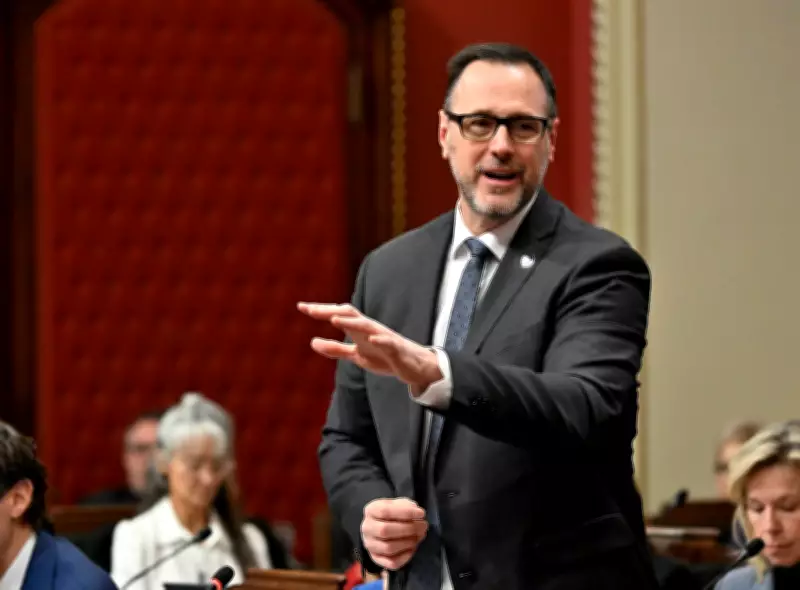
The timing of this critique coincides with ongoing legislative debates in Quebec City, where government ministers including Jean-François Roberge, Minister Responsible for Immigration, Francization and Integration, have faced persistent questioning from opposition members about various policy directions. These parliamentary exchanges have highlighted the tension between governmental priorities and constitutional safeguards that the Quebec Bar now brings into sharper focus.
Constitutional Principles at Stake
The Quebec Bar's position raises fundamental questions about:
- The appropriate threshold for invoking the notwithstanding clause
- The balance between collective legislative authority and individual rights protection
- The role of legal institutions in safeguarding constitutional principles
- The long-term implications for Charter jurisprudence in Canada
This development represents a significant moment in Canadian constitutional discourse, with potential ramifications extending beyond Quebec's borders to influence how all provincial governments approach their relationship with Charter rights. The Quebec Bar's intervention adds substantial legal weight to ongoing debates about the proper limits of governmental power in Canada's constitutional democracy.






