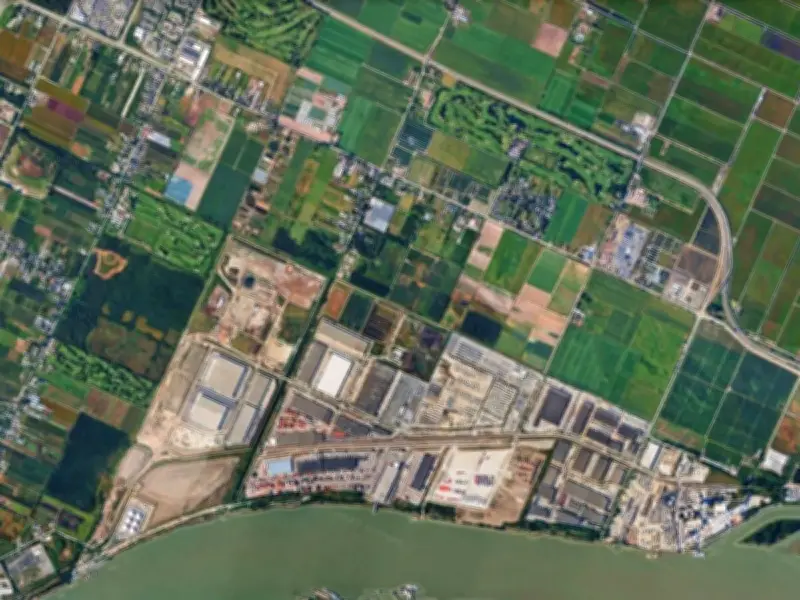
B.C. Supreme Court Justice Barbara Young refused to reopen the case where she designated Aboriginal title over several hundred hectares of private land in Richmond, sending a chilling message to landowners across the province. The decision, filed June 29, dismissed an application from Montrose Properties, which owns the largest tract of private land affected, arguing it had never received formal notification that its fee-simple title could be impacted.
First Case of Aboriginal Title on Private Land
This is the first case in B.C. where Aboriginal title was applied to private as well as Crown land. The federal, provincial, and Richmond city governments all supported the application to reopen, recognizing the unprecedented implications. Montrose argued that the finding of Aboriginal title affected the use of its lands, the ability to sell or develop them, and the applicability of provincial laws, among other factors.
Young made the original finding of Aboriginal title in favour of the Cowichan Nation last August. At that time, she acknowledged that the designation “may give rise to some uncertainty for the fee-simple titleholders, and it may have consequences for their interests.” She also did not rule out that the Cowichan Nation might someday seek to take over all the private land included in the designation, noting they were not pursuing exclusive use and occupancy at that time but that future actions were speculative.

No Standing for Private Landowners
Despite these far-reaching implications, Young found no need for private landowners to have formal standing in her courtroom, a position she upheld in the June 29 decision. She criticized Montrose for failing to intervene earlier, stating, “Although Montrose did not have formal notice of the proceeding, it had knowledge of the proceedings, and chose not to apply to be added as party until long after the conclusion of the trial.” She dismissed the application as an abuse of process for relitigating.
Young suggested Montrose could join the federal, provincial, and city governments in challenging her decision at the B.C. Court of Appeal. However, as Montrose noted, if Young did not grant it standing at the B.C. Supreme Court level, the company “will have no standing at the Court of Appeal unless it obtains leave to intervene.”
Floodgates Argument Accepted
Young’s decision accepted a key argument from the Cowichan Nation that allowing Montrose’s application “could open the floodgates for numerous other private landowners and persons with commercial or other interests in the Cowichan Title Lands to seek to join the litigation.” This ruling leaves private landowners in B.C. with uncertain property rights and limited recourse in Aboriginal title cases.