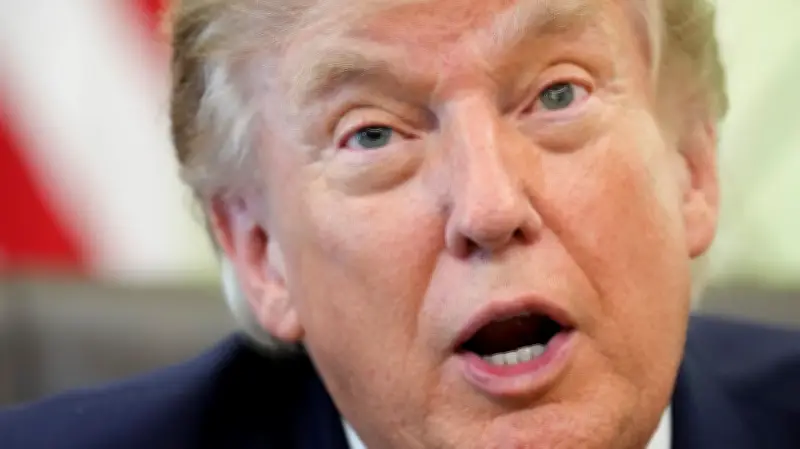
A federal judge on Wednesday blocked the U.S. Postal Service’s proposed restrictions on mail-in voting, ruling that they violated a settlement with the NAACP that required expedited handling of mail-in ballots. The decision by Washington-based U.S. District Judge Emmet Sullivan marks the second court defeat in as many weeks for President Donald Trump’s efforts to curtail mail-in voting ahead of the November 3 midterm elections, where Republicans are fighting to maintain control of Congress.
Background of the Dispute
Trump has long claimed, without evidence, that mail-in voting is prone to fraud—a key part of his campaign to undermine trust in U.S. elections, including his false assertion that the 2020 election was stolen. In May, the Postal Service proposed a rule requiring states to provide voter lists and adopt new procedures before USPS would deliver ballots. Non-compliant states would face ballot delivery refusal.
Judge Sullivan, appointed by President Bill Clinton, sided with the NAACP, which argued the rule conflicted with a 2021 legal settlement mandating USPS take “extraordinary measures” to ensure timely ballot delivery through 2028. Neither USPS nor the Justice Department immediately commented.

Impact of the Ruling
Sullivan’s ruling prevents USPS from implementing regulations stemming from Trump’s March executive order, which directed the Department of Homeland Security to compile a list of eligible voters and required USPS to deliver ballots only to those on state-approved lists. In a separate June 25 decision, Boston-based Judge Indira Talwani blocked the entire executive order, ruling Trump exceeded his authority over elections, which states have managed since 1789.