

Human Rights Tribunal's Landmark Decision Sparks Free Speech Controversy
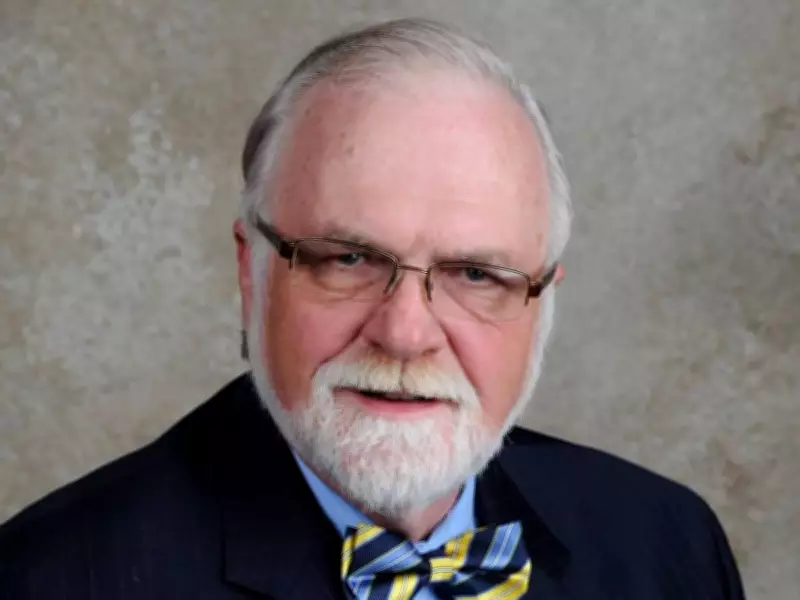
A recent British Columbia Human Rights Tribunal ruling has ignited a fierce national debate about the balance between protecting vulnerable groups and preserving free speech rights in Canada. The tribunal ordered former Chilliwack school trustee Barry Neufeld to pay $750,000 in damages to local LGBTQ-identifying teachers for statements deemed hateful and discriminatory.
The Case That Could Bankrupt a Former Trustee
Neufeld's controversial statements, published on Facebook and in interviews, included claims that "the elites will destroy all gay kids" and described transgender advocacy as "eugenics." The tribunal found these comments violated sections 7(1)(a) and 7(1)(b) of British Columbia's Human Rights Code, which prohibit publishing statements that indicate discrimination or expose groups to hatred based on protected characteristics like gender identity.
The substantial financial penalty, which Neufeld may appeal, has raised concerns among free speech advocates about the power of human rights tribunals to impose severe consequences for unpopular or offensive speech. Legal experts note that similar provisions exist in most provincial human rights codes, creating what some describe as a patchwork system of speech regulation across Canada.

The Free Speech Principle Under Scrutiny
At the heart of the controversy lies a fundamental tension between two competing values: protection from hate speech versus the right to express unpopular opinions. The Supreme Court of Canada articulated the free speech principle in its 1989 Irwin Toy decision, affirming that everyone should be able to "manifest their thoughts, opinions, beliefs... however unpopular, distasteful or contrary to the mainstream."
Free speech advocates argue that content-based restrictions like those in British Columbia's human rights code undermine this principle by targeting specific messages rather than the form or immediate consequences of expression. They point to historical examples where initially unpopular ideas—including same-sex marriage—gained acceptance through open discussion.
Legal Precedents and Provincial Variations
The Supreme Court has previously upheld similar speech restrictions in decisions like Taylor (1990) and Whatcott (2013), though with important caveats. This judicial history means legislative change remains the most viable path for those seeking to modify human rights codes.
Notably, Ontario lacks comparable publishing provisions in its human rights legislation, and the federal government removed similar language from the Canadian Human Rights Act in 2013. That federal change followed controversy when the Canadian Islamic Congress attempted to bring Maclean's magazine before the Canadian Human Rights Tribunal for publishing Mark Steyn's 2006 article "The Future Belongs to Islam."
Broader Implications for Canadian Society
The Neufeld decision has revived discussions about whether human rights tribunals should have authority to penalize speech that, while offensive to many, doesn't constitute direct incitement to violence. Critics argue these provisions create a "chilling effect" on public discourse, potentially silencing legitimate debate on sensitive topics.
Supporters of the tribunal's decision maintain that such measures are necessary to protect vulnerable communities from hate speech that can contribute to discrimination and harm. They emphasize that freedom of expression has never been absolute in Canadian law and must be balanced against other rights and societal interests.
As this case moves through potential appeals, it highlights ongoing tensions in Canadian society between competing rights and values. The outcome may influence whether other provinces reconsider their human rights code provisions regarding speech, potentially reshaping the landscape of public discourse in Canada for years to come.






