

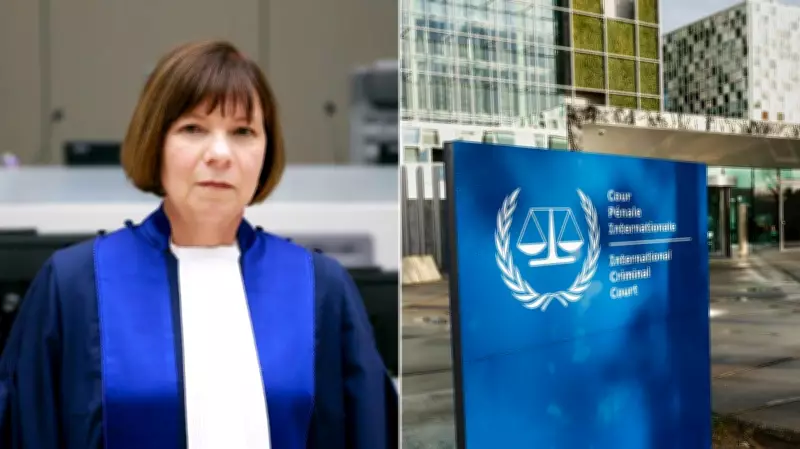
Canadian ICC Judge Stands Firm Against Trump Sanctions, Pledges Uninterrupted Judicial Work
In a bold declaration of judicial independence, Canadian International Criminal Court (ICC) judge Kimberly Prost has publicly stated that recent sanctions levied against her by the Trump administration will not deter her from fulfilling her professional obligations. This development underscores the escalating tensions between international legal bodies and U.S. foreign policy under the former president.
Judge Prost's Defiant Stance Amid Political Pressure
Judge Prost, a respected figure in international law, has been targeted with sanctions as part of broader measures by the Trump administration against ICC officials. These sanctions, which include travel restrictions and asset freezes, are perceived as an attempt to influence or obstruct the court's investigations, particularly those involving U.S. interests. In response, Prost has emphasized her commitment to impartial justice, asserting that such political maneuvers will not compromise her ability to adjudicate cases fairly and effectively.
This incident highlights the fragile intersection of law and geopolitics, where judicial officers can become pawns in larger diplomatic conflicts. Prost's resilience serves as a testament to the robustness of Canada's commitment to international legal norms, even in the face of external pressure from a key ally.

Broader Context of Canadian News and International Implications
The story of Judge Prost unfolds against a tapestry of diverse national headlines, reflecting Canada's multifaceted societal landscape. From local issues like police investigations into alleged sexual assaults in Brampton and regulatory actions against a B.C. teacher for academic dishonesty, to national debates such as Alberta separation discussions involving First Nations' consent and federal return-to-office critiques, the news cycle is rich with domestic concerns.
Internationally, Prost's situation resonates with other global events, such as the U.K. leader Starmer navigating Epstein fallout and U.S. political dynamics affecting cross-border projects like the Gordie Howe Bridge. This juxtaposition illustrates how Canadian figures can be thrust into the international spotlight, balancing domestic duties with global responsibilities.
Analysis of Judicial Independence and Diplomatic Strains
The sanctions against Judge Prost raise critical questions about the autonomy of international courts and the potential chilling effects of political interference. Experts argue that such actions could undermine the ICC's credibility and hinder its mission to prosecute war crimes and human rights abuses worldwide. Canada's support for Prost aligns with its longstanding advocacy for multilateral institutions and rule-based international order.
Moreover, this episode may strain Canada-U.S. relations, already tested by trade disputes and policy divergences. It underscores the challenges Canadian officials face when navigating alliances with a nation whose foreign policy can shift dramatically between administrations.
In conclusion, Judge Kimberly Prost's defiance against Trump-era sanctions symbolizes a broader struggle for judicial integrity in an increasingly politicized world. As Canada continues to engage on the global stage, stories like this remind us of the delicate balance between national interests and international commitments, with implications for diplomacy, law, and cross-border cooperation.






