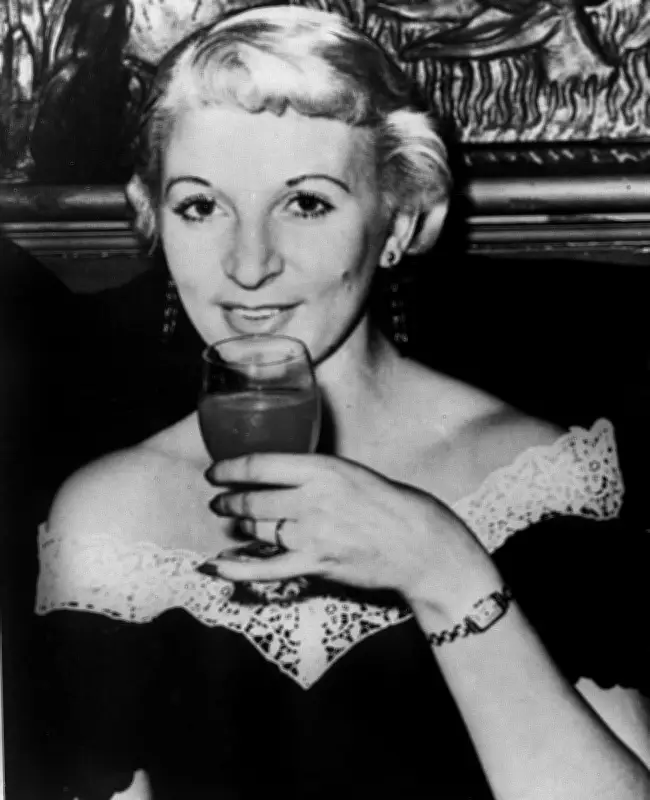
Ruth Ellis, the last woman executed in Britain, has been granted a conditional pardon, the British government announced on July 8, 2026. The decision comes 71 years after she was hanged for the murder of her lover, David Blakely, in 1955.
Background of the Case
Ellis was convicted of shooting Blakely outside a London pub in April 1955. She was executed by hanging at Holloway Prison on July 13, 1955, at the age of 28. Her case has long been controversial, with advocates arguing that she was a victim of domestic abuse and that her trial was flawed.
According to the Ministry of Justice, the conditional pardon acknowledges the 'exceptional circumstances' of the case, including evidence of coercive control and mental health issues that were not properly considered at the time. The pardon does not quash her conviction but recognizes that she should not have been executed.

Reactions and Implications
Family members of Ellis expressed relief. 'This is a long-overdue acknowledgment of the injustice done to Ruth,' said a spokesperson for the family. 'She was failed by the legal system of her time.'
The pardon is symbolic, as capital punishment was abolished in Britain in 1965. It does not affect any living individuals but serves as a formal recognition of historical miscarriages of justice. The government noted that it has no plans to reopen other historical execution cases.