

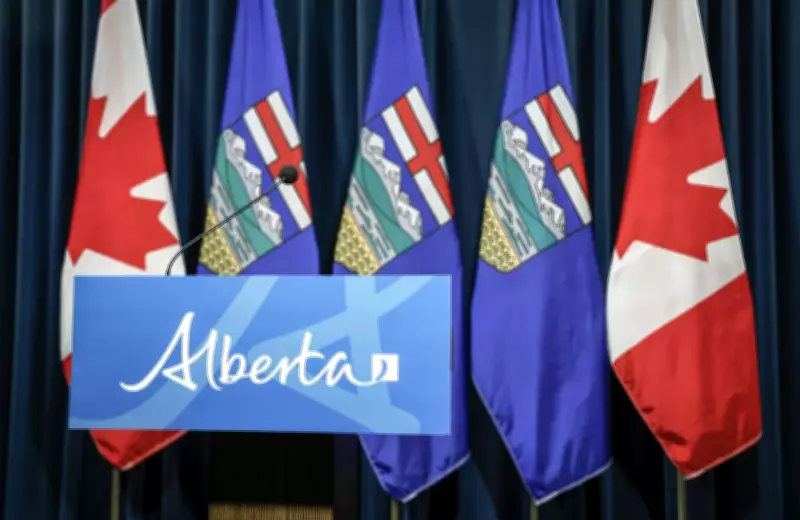
Alberta Renews Legal Battle Against Federal Project Review Legislation
The province of Alberta has launched another courtroom challenge against the federal government's Impact Assessment Act, reigniting a long-standing constitutional dispute over jurisdiction. The case, being heard in court this week, centers on Alberta's assertion that the federal law unlawfully encroaches on provincial authority to regulate natural resources and major industrial projects within its borders.
Core Constitutional Arguments
Alberta's legal team is expected to argue that the Impact Assessment Act, which governs the review process for major projects like pipelines, mines, and energy facilities, represents an overreach of federal power. The province contends that the legislation duplicates provincial regulatory frameworks and creates unnecessary delays and uncertainty for developers. This challenge follows previous rulings that have questioned the act's constitutionality, though the federal government maintains it is necessary for assessing environmental and social impacts of projects that cross provincial or national boundaries.
Historical context is critical here, as this is not the first time Alberta has taken this issue to court. Similar challenges have been filed since the act's inception, reflecting ongoing tensions between provincial autonomy and federal environmental oversight. The outcome could set a significant precedent for how resource projects are approved across Canada, particularly in regions like Alberta where the energy sector is a cornerstone of the economy.

Broader Implications for Resource Development
Legal experts suggest that a ruling in Alberta's favor could limit the federal government's ability to impose conditions on projects that are primarily within provincial jurisdiction. Conversely, upholding the act would reinforce Ottawa's role in environmental assessments, potentially affecting future investments in Alberta's oil sands, mining, and other extractive industries. The case also touches on Indigenous consultation requirements, which are embedded in the federal assessment process but sometimes contested by provinces.
Observers note that the timing of this challenge coincides with increased political focus on economic development and regulatory efficiency. Alberta has consistently advocated for streamlined approval processes to attract investment, while environmental groups argue that robust assessments are essential for mitigating climate change and protecting ecosystems. The court's decision may influence not only legal standards but also policy debates around balancing economic growth with environmental stewardship.
Potential Outcomes and Next Steps
If the court sides with Alberta, it could necessitate amendments to the Impact Assessment Act or even its partial invalidation, requiring Parliament to revise the law. Such a scenario might lead to a patchwork of provincial regulations, complicating national projects. On the other hand, a federal victory would likely embolden Ottawa to continue applying the act as is, possibly prompting further appeals from Alberta or other provinces with similar concerns.
The hearing is expected to span several days, with arguments from both provincial and federal lawyers. Regardless of the outcome, this case underscores the enduring constitutional friction between provincial rights and federal environmental mandates in Canada. Stakeholders from industry, environmental organizations, and Indigenous communities are closely monitoring the proceedings, aware that the ruling could reshape the landscape of project development for years to come.






