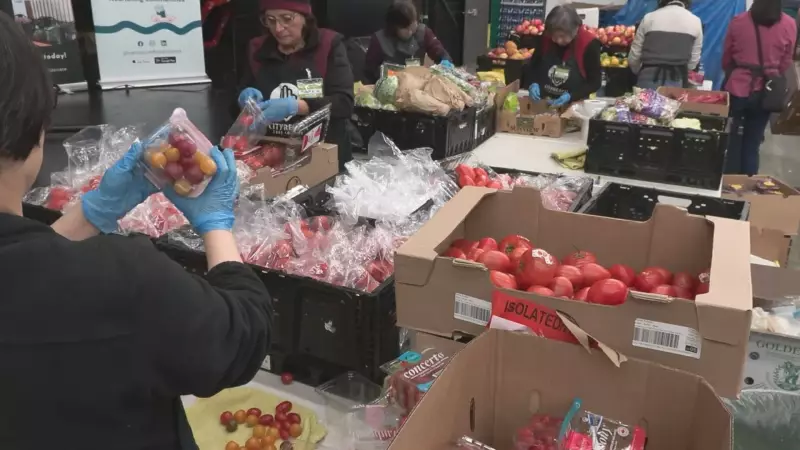
In a significant move to address pressing community needs, four prominent organizations in Vancouver are forming a united front. Their mission is twofold: to drastically reduce food waste and to combat the growing issue of food insecurity affecting residents across the city.
A Collaborative Response to a Dual Crisis
The initiative, announced on December 2, 2025, represents a strategic partnership aimed at creating a more efficient and compassionate food system. While the names of the specific organizations were not detailed in the initial announcement, the coalition's formation underscores a recognized need for coordinated action. Food insecurity, which refers to the lack of reliable access to sufficient affordable and nutritious food, remains a critical challenge for many in Vancouver, even as significant amounts of edible food are wasted annually.
Aligning with a Global Day of Giving
The timing of this announcement is notable, coinciding with Giving Tuesday, a global day dedicated to philanthropy and charitable acts following the consumerism of Black Friday and Cyber Monday. This alignment highlights how local groups are channeling the spirit of the day to spotlight urgent, homegrown needs. The Vancouver coalition's work directly responds to the call for community support and sustainable solutions that Giving Tuesday promotes.

Broader Context and Community Impact
This Vancouver-based effort is part of a larger tapestry of community and charitable actions across Canada. The news item notes that other regions, like Calgary, also saw charities highlighting urgent needs on Giving Tuesday. The formation of this coalition suggests a model that other municipalities could potentially follow. By pooling resources, expertise, and networks, the four organizations aim to create a systemic impact that is greater than the sum of its parts, ensuring that surplus food reaches those who need it most while minimizing environmental footprint.
The move addresses not only a social imperative but an environmental one. Reducing organic waste in landfills cuts down on methane emissions, a potent greenhouse gas. Therefore, the coalition's work sits at the intersection of social welfare and environmental sustainability, tackling two major issues with a single, integrated strategy.
As this new partnership begins its work, it signals a proactive, collaborative approach to some of Vancouver's most persistent challenges. The coming together of these four groups offers a promising path forward in the fight to ensure no Vancouverite goes hungry while valuable resources are needlessly discarded.