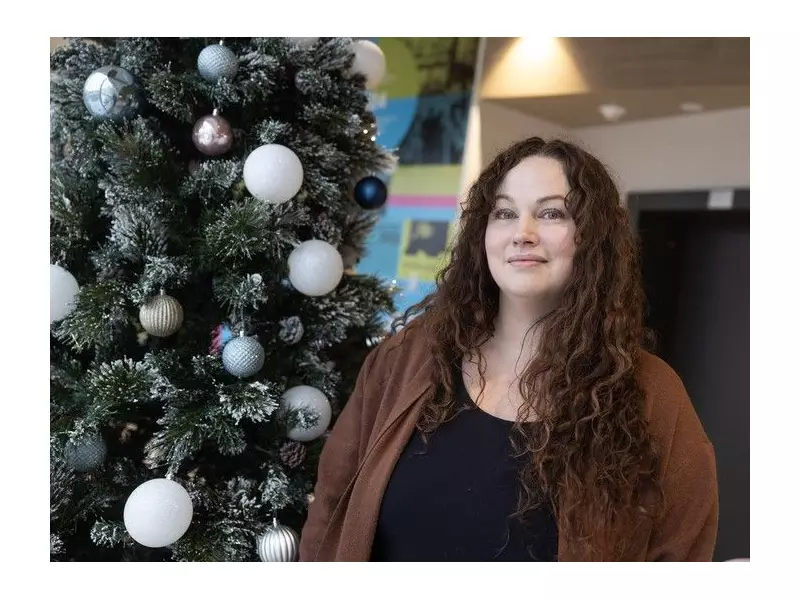
Even with the opening of a major new facility, shelters in Regina operated by the YWCA were forced to turn away approximately 3,000 women and children fleeing domestic violence over the past year, highlighting a critical and ongoing shortage of safe space.
A New Building, An Old Problem
YWCA Senior Director Chelsey Lemke confirmed the staggering number, stating that while the organization strives to never refuse anyone, the reality is that all shelter and residence spaces are consistently at full capacity. The data reveals a stark picture of demand far outstripping supply in the city.
The situation persists despite the YWCA's move 13 months ago into the spacious, modern kikaskihtânaw Centre near downtown Regina. Within this new building, the Isabel Johnson Shelter provided safe housing for 174 women last year. However, it could not accommodate another 581 women and 413 children who sought help.

Shelters Operating at Capacity
Another safe haven within the same centre, My Aunt’s Place, managed to house 536 women and children in the last year. Yet, it too was overwhelmed, turning away an additional 1,434 women and 249 children. These figures underscore the immense pressure on Regina's support systems for victims of domestic abuse.
These shelters, including the Isabel Johnson Centre, Regina Transition House, SOFIA House, and WISH House, are among the direct beneficiaries of the annual Leader-Post Christmas Cheer Fund. Last year, the fund raised roughly $160,000, which was divided equally among the four organizations to support their vital work.
Beyond Shelter: The Fight to Break the Cycle
Aware that abusive households have an alarming 80 percent recidivism rate, the YWCA emphasizes prevention and long-term stability through its wraparound services. The organization runs about 35 programs, including peer mentoring, healing art classes, and youth programs, designed to support psychological well-being.
Crucially, many of these programs, including a specific transition house program, operate without government grants or public funding. Lemke describes this initiative as similar to a halfway house, focused on keeping families together or reunifying mothers with their children.
"What’s really interesting about this program is we have about a 90 percent success rate of transitioning the folks we’re supporting in this home to being stably housed elsewhere with their family together," Lemke said. She points to the significant economic and social benefit of this approach compared to the high cost of housing children in care separately from their mothers.
While the new kikaskihtânaw Centre has provided a more positive environment, the need for more space remains urgent. The YWCA's experience in Regina is a powerful reminder that bricks and mortar alone cannot solve the crisis of domestic violence, and community support through funds like the Christmas Cheer Fund is essential for both immediate shelter and long-term healing.