Food Bank Reliance Hits Critical Level Across Canada
New data and reports from charities across the nation reveal a distressing reality: the use of food banks in Canada has reached an alarming number. This surge highlights a deepening crisis of food insecurity affecting individuals and families from coast to coast. The situation underscores the severe economic pressures many Canadians are facing, forcing them to seek essential support for the first time.
The Scope of the Need and a Call for Community Support
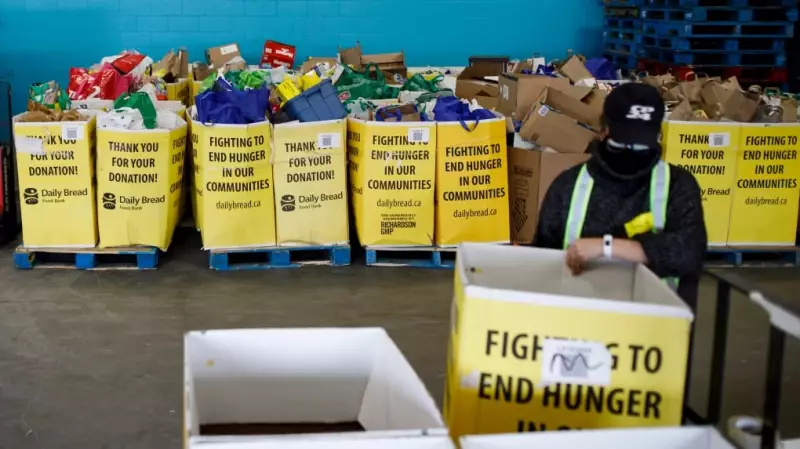
The scale of the need is immense and growing. Organizations like the Daily Bread Food Bank in Toronto, which held a major drive-thru food drive in Etobicoke in April 2021, are on the front lines. These charities report that demand has consistently outpaced donations and resources. The strain is not isolated to large urban centres; communities in rural and northern regions are experiencing similar, and sometimes more acute, challenges in accessing affordable and nutritious food.
This crisis is driven by a complex mix of factors, including the high cost of living, soaring grocery prices, and unaffordable housing, which leaves little room in household budgets for food. The result is that more working people, seniors on fixed incomes, and students are turning to emergency food services.

Practical Ways You Can Make a Difference
Facing such a widespread issue can feel overwhelming, but individual and collective action is powerful. Here are several effective ways you can contribute to the solution and support your neighbours in need.
Donate Funds: Monetary donations are often the most effective way to help. Food banks can purchase food in bulk at significantly reduced costs, stretching your dollar further than retail purchases. A financial gift allows them to buy exactly what is needed most, including fresh produce and proteins.
Donate Most-Needed Food Items: If you prefer to donate physical goods, focus on nutritious, non-perishable staples. High-demand items typically include:
- Canned proteins (tuna, salmon, chicken, beans, lentils)
- Peanut butter and other nut butters
- Whole grain pasta, rice, and cereal
- Canned vegetables and fruit (in water or juice)
- Baby food, formula, and diapers
Always check your local food bank's website for a current list of their most urgent needs.
Volunteer Your Time: Food banks rely heavily on volunteers for daily operations. Tasks can include sorting and packing food, assisting with administrative work, or helping at special events and distribution centres. Volunteering provides crucial manpower and offers a direct connection to the community you are supporting.
Advocate for Change: Addressing the root causes of food insecurity requires systemic solutions. You can advocate for policies that tackle poverty, improve social safety nets, and increase affordable housing. Contact your local representatives to voice your support for measures that will create long-term food security for all Canadians.
The record-breaking reliance on food banks is a clear indicator of the hardship many are enduring. By donating, volunteering, or advocating, you can provide immediate relief and contribute to building a future where every Canadian has reliable access to food.