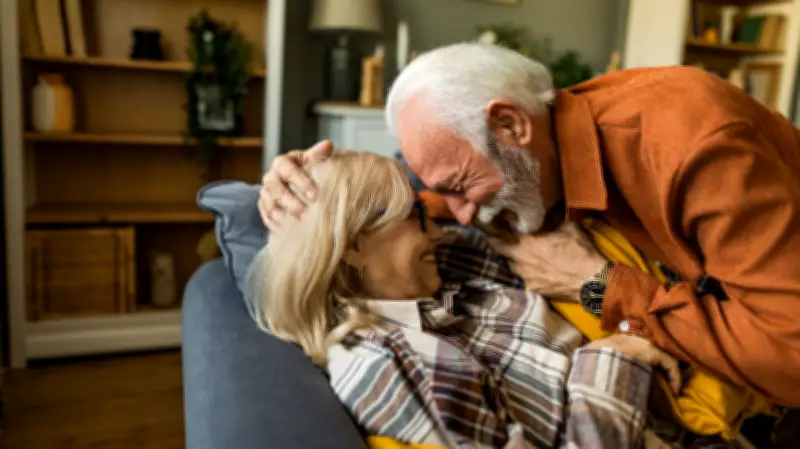
For many couples, retirement conjures images of leisurely travel, cruises, pickleball, and shared hobbies. The dream of growing old together is a common aspiration, yet the reality often diverges from this romantic ideal. While some couples find their bond strengthened by extra time together, others discover they hardly know—or even like—the person they married. Adjusting to decades of shared routines, especially when both partners are home full-time, can be daunting.
The Rise of 'Gray Divorce'
Retirement represents a major life transition, and relationships are not immune to its upheaval. The phenomenon of 'gray divorce'—divorce later in life—is on the rise. According to Carrie Mead, a Maryland-based psychotherapist, several factors contribute to this trend, including a lack of emotional connection, unequal household responsibilities, the burden of managing family dynamics, affairs, addictions, and simply growing apart. Understanding these dynamics can help couples navigate retirement more smoothly.
Challenges of Retirement Adjustment
One of the biggest hurdles is the sudden shift in daily life and the lack of preparation for it. 'During the early stages of retirement, most couples suddenly find themselves with time and freedom, and either a reduced income or a windfall of extra money,' Mead explains. 'But they also have substantially more time with each other than ever before. Couples often lack a realistic vision of how these things will impact their relationship.' This shift can expose deeper issues, especially for couples who haven't built strong communication habits. Arguments may escalate, leading to silence, avoidance, or intense daily clashes.

Katarina Polonska, a relationship strategist, notes that many couples focus on kids and careers for decades, leaving them disconnected once those buffers are gone. 'They also haven’t invested in relational skills by this point, so they have no clue how to reignite intimacy.' Other sources of dissatisfaction include boredom, long-standing resentments, and changing sex lives due to hormonal changes like menopause and testosterone decline.
Reigniting the Relationship Intentionally
Despite these challenges, couples can take steps to strengthen their bond post-retirement. Mead emphasizes the importance of communication: 'The first thing a couple can do is learn to talk and listen to each other’s concerns. Simply acknowledging that the relationship could use some help and taking accountability for your part is a great starting point.' She recommends therapy—both individual and couples therapy—to build self-awareness and communication skills. 'Therapy fosters greater self-awareness, increases vocabulary around feelings and emotions, and helps each person identify what is most meaningful to them before entering couples work.'
Polonska views retirement as an opportunity for 'relational reinvention.' She suggests that each partner must first reconstruct their identity: 'Until each partner has done the work of asking, ‘Who am I when I’m not my job or a parent?’ the relationship can’t absorb the weight of both people’s unprocessed loss.' This involves grieving what's been lost and becoming someone new. It also means creating a new relationship contract around closeness, finances, autonomy, intimacy, and purpose.

Actionable Tips for Couples
- Address what’s been left unsaid: Bring up stagnant resentments that need processing.
- Prioritize physical touch: Simple gestures like an arm around the waist can shift a roommate dynamic.
- Make time for affection: A 30-second kiss can rekindle early-day feelings.
- Do individual self-work: Understand your own wiring—whether avoidant or anxious—to shift the dynamic.
- Redefine the relationship: Ask, 'Who are we now and what does this marriage look like from here?'
- Get clear on your needs: Identify what you need and work together to meet those needs.
- Address the desire gap: Cultivate genuine curiosity about your partner underneath the roles you've played.
Retirement, while initially an adjustment, can become a turning point for couples. As Mead puts it, 'A couple can strengthen their relationship post-retirement by supporting each other’s interests and being compassionate during this transitional phase.' She also emphasizes the importance of a wider support system: 'Couples need to rely on community and friends to help share the burden, rather than expecting their partner to carry it alone.'
This story was originally published on HuffPost.