The Hidden Danger in Your Dog's Favorite Toy: Tennis Balls Cause Severe Dental Damage
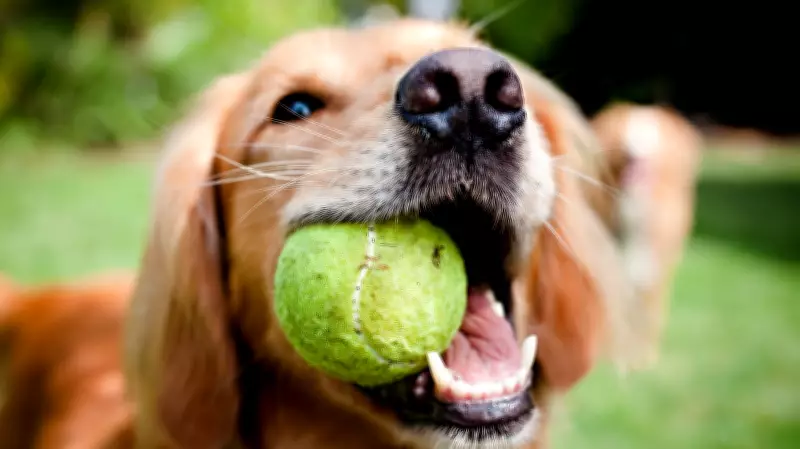
For many dog owners, tennis balls symbolize joyful playtime and endless fetch games. Their affordability and widespread availability make them a staple in pet households worldwide. However, veterinarians are sounding the alarm about a silent epidemic they've dubbed "tennis ball mouth"—a condition where the abrasive surface of tennis balls gradually destroys canine teeth through relentless chewing.
From Routine Checkup to Dental Emergency
One dog owner discovered this danger firsthand when her 9-year-old pugalier, Rocky, underwent what should have been a routine dental examination. "We expected maybe one or two teeth needing attention," she recalled. "Instead, the veterinarian removed ten teeth during the procedure." The culprit? Years of chewing tennis balls had worn down Rocky's enamel to dangerous levels.
"I immediately texted every dog owner I knew that day," she said. "Tennis balls are so embedded in dog culture that most people never question their safety. They're cheap, ubiquitous, and dogs absolutely adore them. But veterinarians have been documenting this damage for years."

The Science Behind 'Tennis Ball Mouth'
Dr. Ezra Ameis, owner of Paw Priority veterinary clinic, explains the mechanics of this dental destruction. "The fuzzy exterior of tennis balls functions like sandpaper against canine teeth," he said. "Once that surface traps dirt and grit from outdoor play, its abrasive quality intensifies significantly. I've observed canines literally flattened across their tips from chronic tennis ball chewing. This isn't about fractures—it's attrition, the gradual wearing away of tooth structure."
Dr. Ameis diagnoses tennis ball-related dental wear almost daily, particularly in high-drive breeds like retrievers and shepherds. "Owners assume tennis balls are safe because they're sold everywhere and often marketed specifically for dogs," he noted. "They're consistently shocked when I show them smooth, worn-down canines and explain the cause."
Real Stories of Dental Destruction
Dr. Stephanie Liff, a New York City-based veterinarian and practice owner, witnesses similar patterns in her clinic. "I frequently see significant crown wear in chronic tennis ball chewers," she reported. Her own parents' 13-year-old golden retriever has all his teeth blunted from tennis ball obsession. "Even though the balls feel soft to human touch, the consistent gnawing motion over time wears teeth down dramatically. Most owners have no idea this is occurring until it's too late."
Callum Russell of Kent, England, watched this unfold with his Jack Russell, Gunner. "She would fetch a ball and then chew for hours after walks," he described. "As she aged, we noticed her teeth looked unusually flat and worn, plus she developed terrible breath." Gunner was eventually diagnosed with tennis ball mouth. By age 11, the damage was so extensive that veterinarians recommended removing all her remaining teeth to alleviate chronic pain.
Raziul Hoque discovered the problem during his dog's routine veterinary visit. "There was no dramatic incident—no choking or emergency," he explained. "Just slow wear that blended into normal behavior. I realized the tennis ball surface isn't actually soft in the way we perceive it. It's abrasive. Combine that with repetitive chewing pressure, and it functions more like sandpaper than a plush toy."
Beyond Dental Damage: Life-Threatening Emergencies
Worn teeth represent only part of the tennis ball hazard spectrum. Dr. Danielle DeBrincat, a veterinarian and medical director at VEG ER for Pets in Colorado, highlights more acute dangers. "The most common emergency we encounter is intestinal blockage, often when pets swallow tennis balls without owners realizing it," she revealed.
One of her colleagues treated a dog that choked on a tennis ball and stopped breathing. Although revived, the animal required surgery to remove a second tennis ball discovered in its stomach. "These owners are consistently shocked when they learn the cause," Dr. DeBrincat said. "Many express wishing they'd known the risks beforehand."

Dmitrii Malashkin experienced this firsthand when his German shepherd, Ernie, began retching and drooling uncontrollably. Emergency X-rays confirmed Ernie had swallowed a tennis ball whole. "Everyone assumed immediate surgery was necessary," Malashkin recalled. "But the veterinarian suggested attempting endoscopic removal to minimize trauma." During the procedure, the endoscope camera revealed leaves, crumbled plastic wrappers, and string fragments that the fraying ball had collected at the park and carried into Ernie's digestive system. All debris was successfully removed without invasive surgery.
Recognizing Early Warning Signs
Dental damage from tennis balls often progresses invisibly until reaching critical stages. Dr. Ameis encourages owners to examine their dog's front teeth every few months. "Early on, front teeth may appear shorter or blunted," he advised. "The tips lose their normal sharp points. Sometimes you'll notice a subtle yellow center as enamel thins and dentin becomes exposed."
By the time dogs display sensitivity, the damage is typically permanent. "In severe cases, I've observed pulp exposure requiring extraction or root canal treatment," Dr. Ameis added. "Dogs are remarkably stoic creatures. They often behave normally despite significant oral pain."
Safe Alternatives and Prevention Strategies
Veterinarians emphasize that fetch itself isn't problematic. "Fetch is generally fine since most dogs playing fetch are holding the ball rather than continuously gnawing on it," Dr. Liff clarified. The primary issue arises from unsupervised chewing sessions.
She recommends several safer alternatives:
- Dental rawhides specifically designed for canine oral health
- Soft rubber Kong toys that provide chewing satisfaction without abrasion
- Indestructible rope toys that clean teeth through natural friction
Dr. Liff directs owners toward the Veterinary Oral Health Council's approved product list for reliable guidance. Dr. Ameis offers a simple test for any ball or chew toy: "If you can press your thumbnail into it and it demonstrates some flexibility, that's usually a good sign. If it's hard enough that you wouldn't want it hitting your own kneecap, it's probably too hard for your dog's teeth."
A Changed Routine for Rocky
Rocky, now 12 years old, has very few teeth remaining but continues enjoying life enthusiastically. "He still eats his wet food faster than seems physically possible," his owner reported. Fetch remains his favorite activity, but with crucial modifications: they've switched to a veterinarian-recommended rubber toy and never leave him unsupervised with chew items.
"It's heartbreaking that it took ten of Rocky's teeth to teach us this lesson," she reflected. "But if sharing our story helps other dog owners avoid similar dental disasters, then some good has come from our experience. Tennis balls might be convenient and inexpensive, but the potential costs to your dog's health are far too high."