As the calendar turns to 2026, Quebecers are facing a mixed financial picture. While some relief is coming in the form of lower income taxes, the costs of essentials like driver's licences, rent, and property taxes are set to rise. Food prices are also expected to continue their upward climb, outpacing general inflation.
Inflation, Interest Rates, and the Cost of Borrowing
Quebec has been grappling with higher inflation than the national average. In November 2025, inflation in the province hit three per cent, the second-highest rate in Canada and above the national average of 2.2 per cent. Economists at Desjardins attribute this gap to two main factors: Quebec's status as the only province that hasn't abolished its carbon pricing, leading to higher energy costs, and housing costs that are rising significantly faster than elsewhere in the country.
The provincial government's fall economic update forecasts Quebec's inflation to be 2.1 per cent in 2026, just 0.1 percentage points above the projected Canadian average. Officials expect the impact of the carbon tax to begin fading by April 2026 and the real estate market to start rebalancing.

For borrowers, there's little change on the horizon. Major institutions like TD, RBC, and the Quebec government itself all predict the Bank of Canada will hold its key overnight rate steady at 2.25 per cent throughout the entire year.
Rising Costs: From Groceries to Property Taxes
Several everyday expenses are poised to take a bigger bite out of household budgets in 2026.
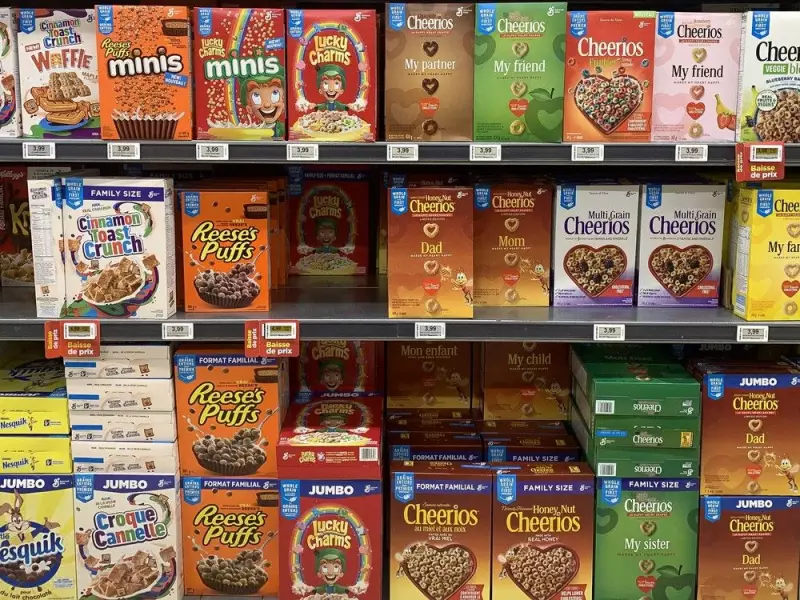
Food: Grocery bills will continue to rise faster than other goods and services. The annual Canada’s Food Price Report, compiled by researchers from several universities including Dalhousie and Université Laval, predicts a national food price increase of four to six per cent. While Quebec saw smaller-than-average food inflation in 2025, it is expected to exceed the national average in 2026. This could mean an average Canadian family of four paying $663 to $995 more for groceries next year.
Rent: After a sharp 7.2 per cent increase in Montreal rents in 2025, Desjardins forecasts a slowdown in growth for the first half of 2026. This is due to increased apartment construction and government measures to reduce immigration and international student numbers. Furthermore, a new formula from the Tribunal administratif du logement (TAL) for calculating rent adjustments is expected to lead to smaller increases in the future.
Driving and Transit: The annual insurance contribution on a driver's licence, which funds bodily injury coverage, is jumping to $50 from $26.25 for drivers with a clean record. The vehicle registration tax in the Montreal metropolitan area will see a modest $3.45 increase. Public transit users aren't spared either, with a three per cent fare hike scheduled for July 1, 2026.
Property Taxes: Across Montreal's boroughs, property tax revenues are rising due to higher property values and, in some cases, increased tax rates. Approved increases for 2026 vary widely:
- Verdun: 24.5% increase (avg. $132 more for a single-family home)
- Rosemont—La Petite-Patrie: 20.5%
- Sud-Ouest and Ahuntsic-Cartierville: 11.2%
- Anjou: 2.8% (with a larger share falling on industrial properties)
Areas of Relief: Income Tax and Salaries
It's not all bad news. Many Quebecers will see more money in their paychecks due to tax changes.
Federal Tax Changes: Adjustments to federal tax brackets mean a 14 per cent rate will now apply to the first $58,523 earned. The Office of the Parliamentary Budget Officer estimates this will save the average taxpayer $190. The basic personal amount—income you can earn tax-free—rises to $16,452.

Provincial Tax Changes: The Quebec government is implementing several measures to put money back in citizens' pockets:
- A 13 per cent reduction in Quebec Parental Insurance Plan (QPIP) premiums.
- A 0.1 percentage point cut to both employee and employer contributions to the Quebec Pension Plan (QPP).
- Full indexation of the provincial tax system by 2.05 per cent.
Wages: Salary growth is expected to moderate but largely keep pace with inflation. The Quebec government forecasts wage and salary growth of 2.5 per cent in 2026, down from 3.6 per cent in 2025. Employer surveys predict increases between 2.9 and 3.4 per cent.
Other notable changes include a two per cent increase in child support payments effective January 1, 2026.
In summary, Quebec households must budget for higher costs for housing, food, and driving in the coming year, but can anticipate some offsetting benefits from tax reductions and steady, if slower, wage growth.