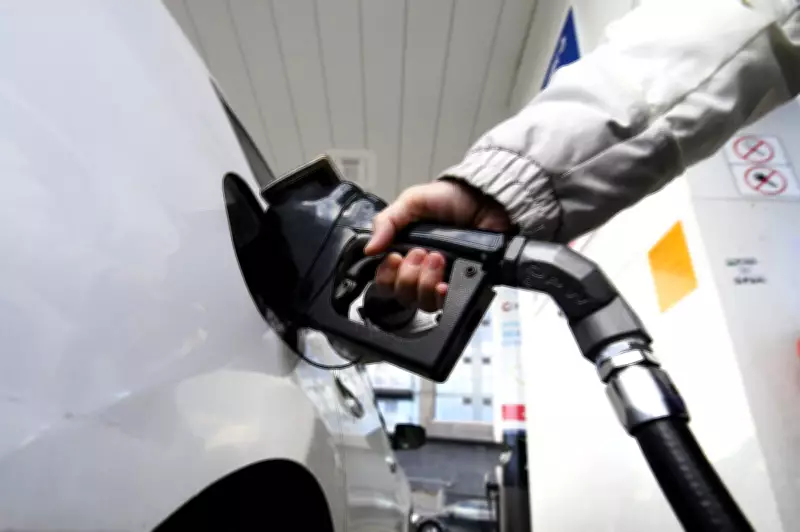
Soaring Fuel Costs Ignite Interest in Car-Free Lifestyles Across Canada
With gasoline prices reaching unprecedented highs, a growing number of Canadians are seriously considering abandoning their personal vehicles. The dream of a car-free existence, once a niche environmental choice, is now entering mainstream conversation as households grapple with the financial strain of refueling. However, transportation experts and urban planners caution that transitioning away from car dependency requires careful evaluation of multiple practical factors.
Assessing Your Local Infrastructure and Accessibility
The availability and reliability of public transit systems are paramount. In major metropolitan areas like Toronto, Vancouver, and Montreal, extensive subway, bus, and streetcar networks can facilitate a car-free life. Conversely, residents of suburban or rural communities often face significant challenges, with limited or non-existent public transportation options. Walkability and bike-friendliness of your neighborhood are equally critical. Can you easily access grocery stores, healthcare facilities, schools, and workplaces on foot or by bicycle? Urban design plays a huge role in determining feasibility.
Lifestyle Adjustments and Hidden Costs
Eliminating a car involves more than just selling a vehicle. It necessitates a fundamental shift in daily routines and planning. Consider the impact on your time management. Public transit commutes are often longer than driving, and coordinating trips for errands or social activities requires more forethought. Furthermore, while you save on fuel, insurance, and maintenance, you may incur new expenses. Monthly transit passes, ride-sharing services for occasional needs, and potential delivery fees for groceries or goods can add up. It's essential to conduct a thorough personal cost-benefit analysis.

The Role of Remote Work and Community Support
The rise of remote and hybrid work models has made car-free living more attainable for many professionals. Reducing or eliminating the daily commute is a major hurdle cleared. Additionally, community resources are invaluable. Robust car-sharing programs, active neighborhood groups for ride coordination, and local businesses that offer delivery services can bridge the gaps. For families, the logistics become more complex, involving children's activities and larger shopping hauls, requiring even more strategic planning and community reliance.
Environmental and Health Benefits
Beyond the financial relief, adopting a car-free or car-light lifestyle offers significant advantages. It dramatically reduces your personal carbon footprint, contributing to broader climate change mitigation efforts. On a personal health level, increased walking and cycling promote physical fitness and can improve mental well-being. The reduction in traffic congestion and noise pollution also enhances overall community livability. However, these benefits must be balanced against the practical realities of your specific location and life circumstances.
Ultimately, while high gas prices are a powerful motivator, the decision to go car-free is highly individual. It demands an honest assessment of your local infrastructure, daily needs, and willingness to adapt. For those in well-served urban centers, the transition can be liberating and cost-effective. For others, a strategy of reduced driving through better trip planning or adopting an electric vehicle might be a more practical intermediate step. The key is to look beyond the pump price and plan thoughtfully for a sustainable mobility future.