Report Exposes Coordinated Fake YouTube Network Promoting Alberta Secession and U.S. Annexation
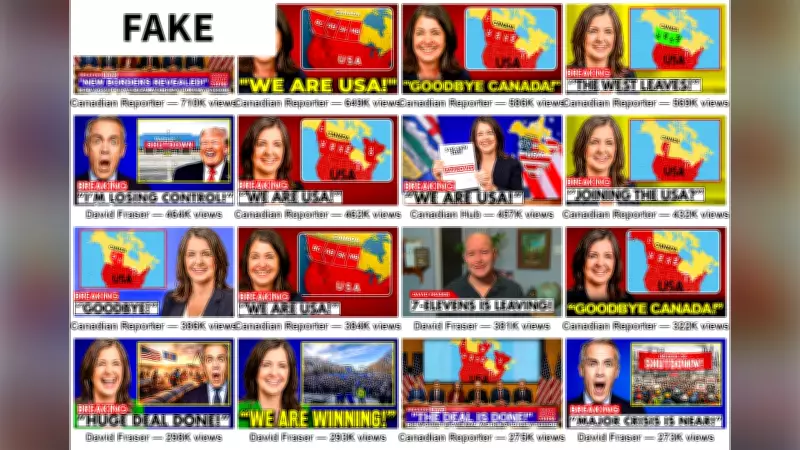
A recent investigation has uncovered a sophisticated network of fake YouTube channels that are systematically promoting narratives of Alberta secession and potential annexation by the United States. The report, released by the Canadian Digital Media Research Network, details how these channels utilize advanced artificial intelligence technology to create convincing deepfake videos featuring prominent Canadian politicians.
AI-Generated Content Featuring Political Figures
The fraudulent channels frequently employ AI-generated deepfakes of Alberta Premier Danielle Smith and Prime Minister Mark Carney, presenting them in videos that advocate for western provinces to separate from Canada and join the United States. These fabricated videos often include manipulated maps in the background that visually depict various combinations of western Canadian provinces as part of U.S. territory.
The coordinated nature of this disinformation campaign suggests a deliberate effort to influence public opinion on constitutional matters through digital manipulation. Researchers note that the channels appear to work in concert, amplifying similar messaging across multiple platforms to create an illusion of grassroots support for these separatist ideas.

Digital Disinformation Tactics
These fake YouTube channels employ several sophisticated tactics to appear legitimate and gain viewership:
- Utilizing AI voice synthesis to create convincing narration
- Incorporating authentic-looking news graphics and logos
- Cross-promoting content across multiple fake channels
- Timing releases to coincide with actual political developments
The report emphasizes that this represents a significant escalation in digital disinformation techniques targeting Canadian political discourse. Unlike previous misinformation campaigns that relied on text or simple image manipulation, this network employs advanced video synthesis technology that can be difficult for casual viewers to identify as fraudulent.
Broader Implications for Digital Media Integrity
This discovery comes amid growing concerns about the integrity of digital information ecosystems and their impact on democratic processes. The ability to create convincing fake videos of elected officials raises serious questions about how citizens can verify the authenticity of political content they encounter online.
The researchers behind the report have called for increased vigilance from both platform providers and media consumers. They recommend enhanced verification systems for political content and greater public education about identifying manipulated media. The findings also highlight the need for updated regulatory frameworks to address these emerging challenges in digital communication.
As digital manipulation technologies become more accessible and sophisticated, experts warn that similar campaigns targeting other regions or political issues may emerge. The Alberta-focused network serves as a case study in how advanced AI tools can be weaponized to promote divisive political narratives through seemingly authentic video content.