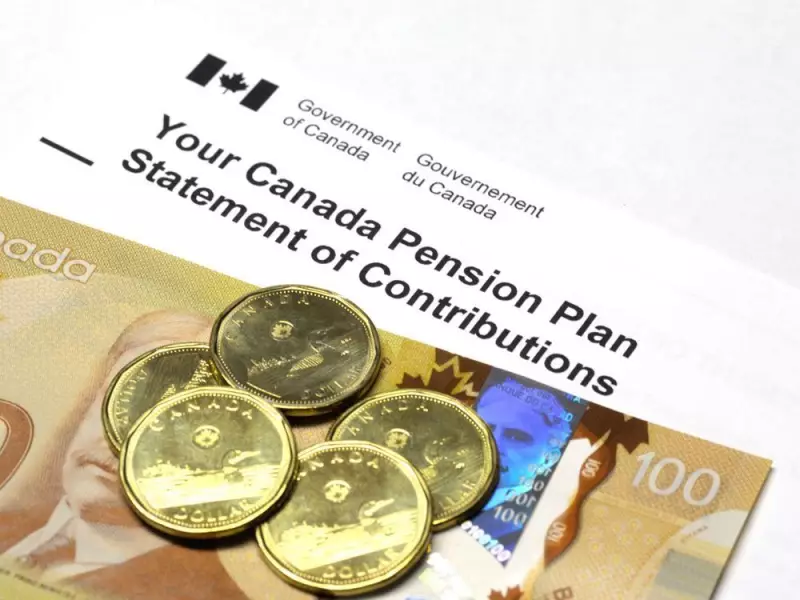
Millions of Canadian seniors will see their government pension payments arrive ahead of schedule this month. The final Canada Pension Plan (CPP) and Old Age Security (OAS) deposits for 2025 are being issued on Monday, December 22, providing funds before the Christmas holiday period.
Why Are Payments Arriving Early?
Federal pension payments typically land in bank accounts near the end of each month, with the 2026 schedule showing dates between the 25th and 29th. However, the December payment is consistently moved forward. This adjustment ensures recipients have access to their funds before potential postal and banking disruptions during the year-end holidays and closures.
The next payment after this early December deposit is scheduled for January 28, 2026.

Eligibility and Payment Details
Understanding who qualifies for these benefits and how much they can expect is crucial for retirees.
To be eligible for CPP, individuals must be at least 60 years old and retired, with a history of making at least one contribution to the plan during their working years. The benefit continues for life. It is important to note that Quebec administers its own separate pension plan, the QPP.
Old Age Security benefits begin at age 65. Eligibility requires having lived in Canada for at least 10 years after turning 18. Canadians living abroad may still qualify if they were a citizen or legal resident when they left and resided in Canada for at least 20 years post-age 18.
Payment Amounts and Upcoming Increases
The amount received from CPP varies based on an individual's average career earnings and the age they started collecting. For 2025, the maximum monthly payment for a retiree at age 65 was $1,433.
OAS payments also depend on factors like residency duration. The maximum monthly payment for those aged 65 to 74 in 2025 was $740.09. This amount sees a 10 per cent increase at age 75, rising to $814.10 per month.
Good news awaits pensioners in the new year. CPP payments will increase by 2 per cent starting in January 2026. OAS payments will see a smaller quarterly adjustment of 0.3 per cent, which compounds to an effective annual increase of approximately 2 per cent since January 2025.
How the Plans Are Funded
The funding mechanisms for CPP and OAS differ significantly. Employees and employers jointly fund CPP through payroll deductions. For the current year, the contribution rate is 5.95 per cent on earnings up to $71,300, with a maximum annual contribution of $4,034.10. Self-employed individuals are responsible for the full combined amount.
In contrast, OAS is funded from the federal government's general tax revenues, meaning there is no specific payroll deduction earmarked for it.
A unique provision allows individuals under 70 who are still working to both contribute to CPP and receive benefits from it simultaneously. These continued contributions can lead to a higher pension payout upon full retirement. Mandatory contributions cease at age 70, regardless of employment status.
This early disbursement provides financial certainty for retirees as they navigate the festive season and plan for the year ahead.