Rediscovering My Mother: From Teenage Rebellion to Adult Understanding
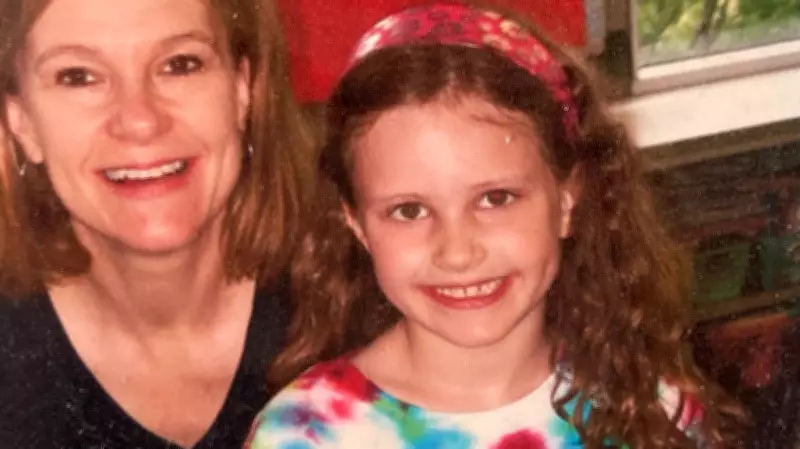
A few weeks before leaving for college, I found a grainy Polaroid of my mom in her 20s. Staring at it, I was struck by two questions: Who was this person, and why didn't I know her? The mom I knew was a strict enforcer of rules, from demanding I wear camisoles to cover my stomach to meticulously tracking my daily activities through a ritual we called Tell Me About Your Day.
The Weight of Daily Interrogations
As a teenager, I viewed these conversations as endless nagging. My mom would ask about every class, homework assignment, and interaction, making me feel controlled rather than cared for. This perception was reinforced by other incidents, like when she yelled at friends for using my nickname Jackie or disapproved of makeup and form-fitting clothes. I rebelled by changing into prohibited outfits at school, seeing her as a rigid micromanager.
My dad's frequent travels meant my mom was the constant authority figure, enforcing rules and often annoying me with her presence. At 16, I decided to stop participating in Tell Me About Your Day. The first refusal felt powerful, like a heavy book thudding on a table. Over time, I said no to other requests, like reading children's books or doing Pinterest crafts, relishing the freedom but becoming an outsider in my family.

The Distance and the Discovery
Ironically, while my mom documented every detail of my life, she rarely shared stories of her own past. Her childhood and young adulthood remained shrouded in mystery, mentioned only in annual remarks about her parents' deaths. When I found that photo of her looking carefree in a crop top, laughing with my dad, it was a revelation. I had to know more.
Under the guise of a college assignment, I asked my dad about her past. He revealed she had worked in Finland, frequented Chicago jazz clubs, and loved Colorado. Months later, I gathered the courage to talk to my mom directly. She shared traumatic details: at 17, she called 911 when her dad had a heart attack, but he died before help arrived. Years later, she took a semester off grad school to care for her dying mother, who succumbed to cancer by Christmas.
A New Perspective on Love and Loss
With these revelations, I saw my mom as a complex woman who had survived unthinkable trauma. Her desire to know everything about my life made sense – when both parents are stripped away suddenly, you cling to those you have left. At 23, I felt guilty for distancing myself and began to appreciate the ways she expressed love that I had ignored.
To close the distance, I started scheduling one-on-one time with her, going on bike rides or exploring our hometown. During a visit to New York, she shared that her mother worked as a bridal consultant, another flash of unexpected learning. I realized the woman in the photograph had always been there; I just hadn't noticed.
Grabbing an Oar and Rowing Closer
I now wonder how much of my limited knowledge stems from not asking questions. Who was she, and who might she still become? These questions require openness and acknowledge the unequal parent-child relationship, where children often know parents only as caregivers. Through apologies and shared experiences, our relationship has grown stronger.
I haven't asked all the hard questions yet, but I'm proud to have grabbed an oar and rowed closer to her, no longer standing on an impassable shore peering through the mist. This journey has taught me that beyond the rules and routines, there's a whole person waiting to be discovered.