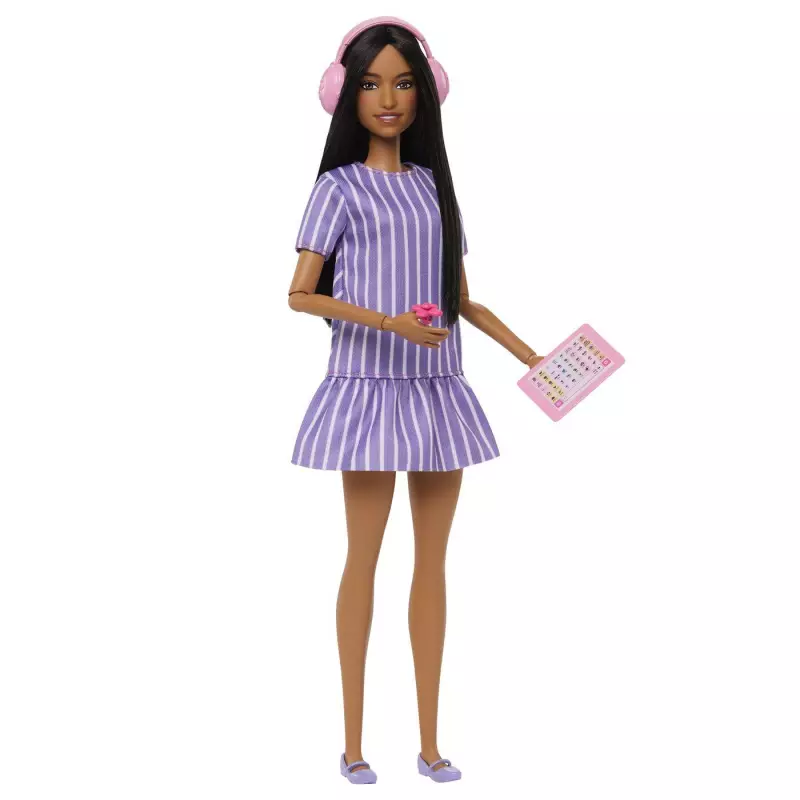
A new Barbie doll designed to represent individuals with autism is receiving heartfelt praise from a neurodivergent mother in British Columbia, who says the toy provides a powerful sense of visibility for her community.
Emotional Impact of Authentic Representation
The mother, whose identity is highlighted in the original coverage, expressed that seeing the doll created a profound feeling of being seen. For many families and individuals navigating life with autism, mainstream toy representation has historically been lacking. This new offering from Mattel marks a significant step toward inclusivity in the play world.
The doll, announced by Mattel in January 2026, is part of the company's ongoing efforts to diversify its Fashionistas line to better reflect the global population. Details about the doll's specific design features, which are intended to authentically represent autistic individuals, were included in the official release.

Broader Context of Neurodiversity in Media
The positive reception in B.C. aligns with a growing movement advocating for accurate and respectful representation of neurodivergent people across all media, including toys. This shift helps to normalize differences and can play a crucial role in fostering understanding and acceptance from a young age.
While the original news item was surrounded by numerous other headlines from across Canada, the story of the Autistic Barbie stands out for its focus on social inclusion and the personal impact of corporate diversity initiatives. The reaction from the British Columbia mother underscores that such products are more than just toys; they are validations of identity.
A Step Forward for Inclusive Play
The launch of this doll suggests a continuing trend in the toy industry toward creating products that cater to a wider spectrum of children's experiences. Experts in child development often stress the importance of children seeing themselves reflected in their playthings, which supports self-esteem and a positive self-image.
The release of the Autistic Barbie in early 2026 is a landmark moment. It signals to consumers and other manufacturers that there is both a demand and an ethical imperative for inclusive product lines. The emotional response from the neurodivergent community, as exemplified by the B.C. mom's reaction, is a key measure of the initiative's success beyond commercial metrics.