The Hidden Dangers Lurking in Your Kitchen's Plastic Container Collection
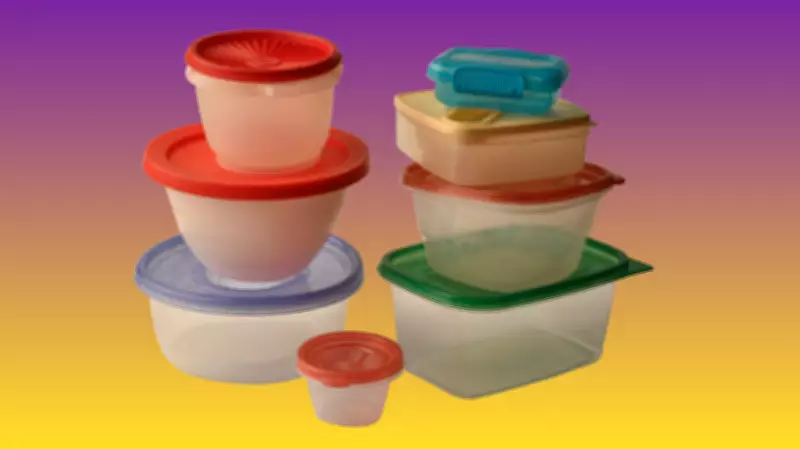
Nearly every household kitchen has that one cluttered space—a chaotic jumble of old butter tubs, mismatched takeout containers, and a mountain of lids that never seem to fit. The next time you reach into that mess to store leftover breakfast burrito, consider this: using plastic manufactured during the Bush administration might be more hazardous than you think. Those visible cracks, stubborn tomato sauce stains from 2022, and lingering garlic butter odors are not just signs of wear; they are clear indicators that it's time to discard these items or repurpose them for non-food storage only.
Why Plastic Degrades Over Time and Becomes a Health Hazard
As plastic containers age, they undergo significant physical and chemical degradation due to factors like heat, sunlight, frequent washing, and mechanical wear, explained Chamali Kodikara, chair of the food safety and quality management division at the Institute of Food Technologists. She highlighted alarming processes such as "shedding" and "chemical leaching," noting that after years of use and numerous dishwasher cycles, microscopic cracks can develop. These tiny fissures allow food particles and bacteria to infiltrate, while potentially harmful plastic components leak out into your meals.
Another critical issue involves invisible threats hiding within these cracks. Keith Warriner, a professor in the department of food science at the University of Guelph in Ontario, warned: "If you're using a worn container for food, microbes could form biofilms in cracks, scratches, and seals. Microbes that hide in those biofilms can survive washing and sanitizing cycles, posing a constant contamination risk from pathogens like Listeria monocytogenes." Listeria monocytogenes is currently the third leading cause of death from foodborne illness in the United States, underscoring the severity of this risk.

How Everyday Habits Exacerbate the Dangers of Old Plastic
Your daily treatment of plastic containers can significantly worsen these hazards. For instance, when reheating takeout or leftovers, avoid microwaving single-use plastic containers from restaurants. Kodikara emphasized that reused disposable plastics are not designed for repeated use or heating, leading to faster degradation. "Many disposable plastics degrade faster, releasing microplastics and potentially hazardous additives such as flame retardants or plasticizers," she said. Research confirms that takeout plastics can release particles and chemicals when exposed to heat or repeated use.
Similarly, dishwashing exposes reusable plastic containers to heat that accelerates degradation. Amarat Simonne, a professor and extension specialist in food safety and quality at the University of Florida, advised additional precautions: "Avoid pouring hot foods into plastic containers, and let food cool before storage to minimize risks."
Food Types That Accelerate Plastic Damage and Chemical Leaching
The type of food stored in plastic containers can further compromise their safety. Mary M. Johnson, principal research scientist at the Harvard T. H. Chan School of Public Health, explained: "Acidic foods, like tomato sauce, or fatty foods, like mayonnaise, can cause more damage to plastic. There's a concern that chemicals in the plastic are at higher risk of migrating into your food when storing acids or fats." This chemical transfer poses additional health threats, making it crucial to reconsider what you store in aging containers.

Practical Steps to Identify and Eliminate Risky Plastic Containers
Fortunately, mitigating the dangers of worn-out plastic is manageable with simple steps. Johnson suggested: "You can take reasonable steps that are easy to manage." One quick method is to check the recycling codes on containers, known as Resin Identification Codes (RIC). These numbers, ranging from 1 to 7 inside an arrow-triangle symbol on package bottoms, indicate the resin type used, not recyclability. Johnson noted: "It's been suggested that codes 3 (polyvinyl chloride), 6 (polystyrene), and 7 (other plastics) are best avoided in food containers. Products with codes 1 (polyethylene terephthalate), 2 (high-density polyethylene), 4 (low-density polyethylene), or 5 (polypropylene) are considered somewhat safer if you have a choice."
With a bit of reorganization, you can refresh your plastic-storage cabinet quickly. Johnson encouraged: "People can only do so much, so do the best you can." Perhaps embracing traditional materials is the wisest approach. Warriner reflected: "In the end, maybe our grandparents were right to use ceramic, glass, and stainless steel containers. Time will tell." By adopting these safer alternatives, you can protect your health and reduce exposure to hidden kitchen hazards.