Kananaskis Rescue Operations Reach Unprecedented Levels in 2025
Rescue teams in Kananaskis Country have faced their busiest year on record, with provincial crews and their partners launching 445 rescue missions in 2025. This figure surpasses the previous high of 436 missions set in 2021, highlighting a significant increase in emergency responses throughout the popular mountain and foothills region west of Calgary.
Surge in Visitation Drives Rescue Numbers Higher
The dramatic rise in rescue operations directly correlates with growing visitation numbers that now exceed five million people annually. This surpasses the visitation to neighboring Banff National Park, which hosts approximately 4.2 million visitors each year. Jeremy Mackenzie, a mountain rescue specialist with Kananaskis Mountain Rescue, emphasized that "the amount of visitation is a big reason for bigger rescue numbers, where the chances of incidents go up."
Mackenzie noted that during peak summer periods, rescue teams can embark on nine or ten missions in a single day, though he clarified this represents exceptional circumstances rather than daily norms. The steady increase in rescue operations represents a substantial jump from 2009, when annual rescues were in the 200-range.

Common Incidents and Preparedness Challenges
Many emergency calls involve:
- Missing persons or late arrivals that often turn out to be less serious incidents
- Hikers suffering lower limb injuries including sprains and fractures
- Individuals who are ill-prepared, unfamiliar with the terrain, or lacking navigational assistance
"A considerable number of those can occur in areas with huge visitation like Grassi Lakes near Canmore and Troll Falls off Highway 40," Mackenzie explained. These popular destinations see high foot traffic that contributes to the increased incident rate.
Dramatic Life-Saving Missions Continue
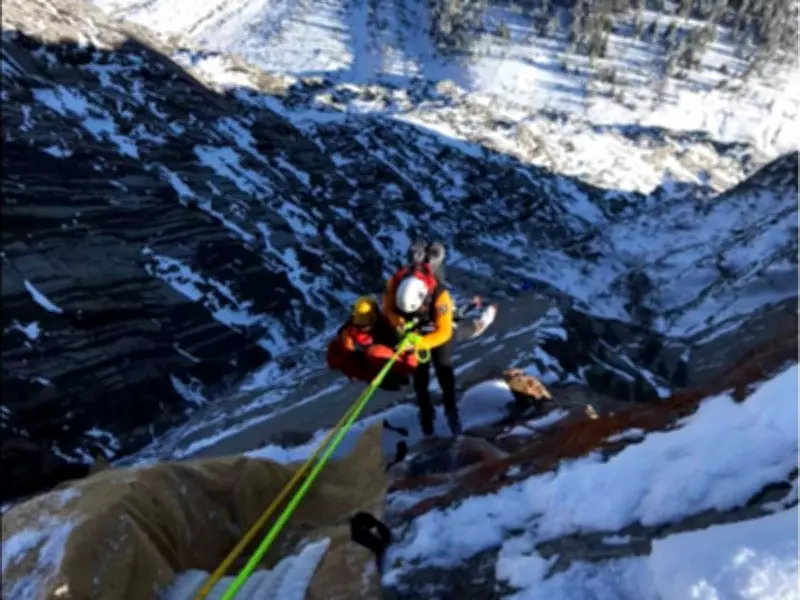
While many calls involve less severe situations, rescue teams still regularly respond to critical life-saving missions that sometimes require helicopter assistance from contracted Alpine Helicopters based in Canmore. These include:
- People trapped on cliff faces
- Individuals caught in avalanches
- Other vertically-challenging rescues involving rock climbers and hikers
One area that has seen improvement is Mount Yamnuska near Exshaw, once notorious for requiring complex vertical rescues. "That trail saw a significant rebuild and we saw a massive reduction in the number of injuries," Mackenzie reported.
Resource Management and Funding Considerations
The rescue team responsible for these operations consists of six specialists supported by other provincial parks staff, a number that hasn't increased in recent years despite the growing mission volume. Mackenzie noted the team continues to handle the call volume reasonably well given current resources.
All rescue operations come with a taxpayer-funded price tag, though rescued individuals are not billed for services. Mackenzie explained this policy exists because "the prospect of paying the cost will discourage outdoors enthusiasts from seeking help, increasing the danger to them and ultimately hiking the cost of a delayed rescue." This approach prioritizes public safety over cost recovery, ensuring people in distress seek timely assistance without financial concerns.