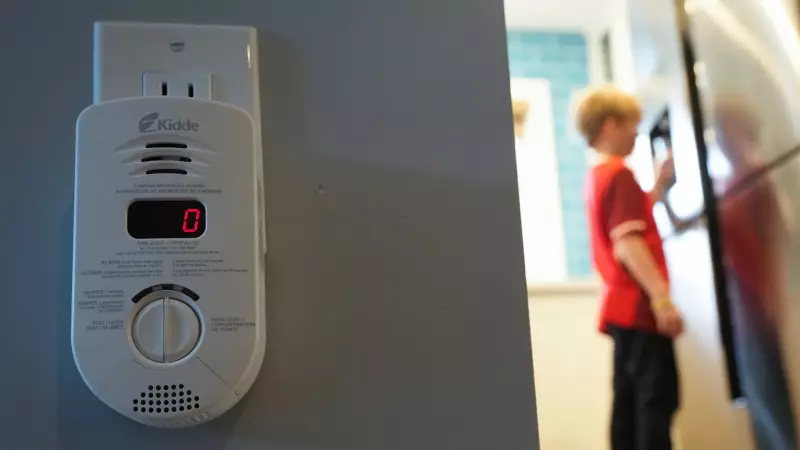
New federal regulations aimed at preventing carbon monoxide poisoning deaths are scheduled to come into force across Canada in 2026. The legislation mandates the installation of carbon monoxide detectors in all residential dwellings, a move safety advocates describe as a critical step to avert what they call "preventable tragedies."
The Silent Killer in Canadian Homes
Carbon monoxide (CO) is an odourless, colourless gas produced by the incomplete burning of fuels like natural gas, propane, oil, wood, and gasoline. It is often dubbed the "silent killer" because it is virtually undetectable without proper equipment. Every year, CO poisoning leads to numerous hospitalizations and deaths in Canada, many of which occur in homes without functioning detectors.
The new law, announced in late 2025, establishes a nationwide standard requiring CO alarms in homes and certain other residential buildings. This brings carbon monoxide safety in line with long-standing requirements for smoke alarms, embedding a dual layer of protection into the building code.

Details of the 2026 Mandate
The regulations specify where detectors must be placed, typically outside sleeping areas and on every level of a home. The law applies to new constructions and existing homes, though existing homeowners will have a defined period to comply after the 2026 effective date.
Officials stress that the law is designed to be as straightforward as possible for residents. The detectors themselves are widely available, relatively inexpensive, and require minimal maintenance, primarily regular battery changes or ensuring plug-in models remain operational.
A Response to Preventable Loss
The push for mandatory detectors has been fueled by heartbreaking incidents where families were overcome by CO from faulty furnaces, fireplaces, or vehicles left running in attached garages. Public health agencies and fire departments have consistently campaigned for greater public awareness and legislative action.
"It's a preventable tragedy," has become a rallying cry for families of victims and emergency responders who have witnessed the consequences of CO poisoning firsthand. The law represents a significant victory for these advocacy groups, turning personal loss into a powerful catalyst for nationwide change.
What Homeowners Need to Know
As the 2026 deadline approaches, homeowners are encouraged to proactively install certified carbon monoxide detectors. Key steps include:
- Purchasing detectors that are certified to Canadian Standards Association (CSA) standards.
- Installing them according to manufacturer instructions, focusing on areas near fuel-burning appliances and bedrooms.
- Testing alarms monthly and replacing batteries as needed.
- Replacing the entire unit according to its expiry date, usually every 5 to 10 years.
Fire safety experts emphasize that a detector is only one part of safety. Regular maintenance of furnaces, chimneys, and gas appliances by qualified professionals is equally vital in preventing CO from being produced in the first place.
The implementation of this law marks a proactive shift in Canadian home safety policy. By making carbon monoxide detectors as commonplace as smoke alarms, the regulation aims to create a safer environment for all residents, ensuring that alerts are sounded before the silent killer can strike.