A catastrophic fire at a public housing estate in Hong Kong has resulted in one of the deadliest residential blazes in the city's recent history. The tragedy at Wang Fuk Court in the Tai Po district has claimed the lives of 159 people, authorities confirmed on Wednesday, December 3, 2025. Among the victims was a one-year-old child. As of the latest reports, 30 individuals remain unaccounted for, casting a shadow of grief over the New Territories community.
Community Mourns at the Scene
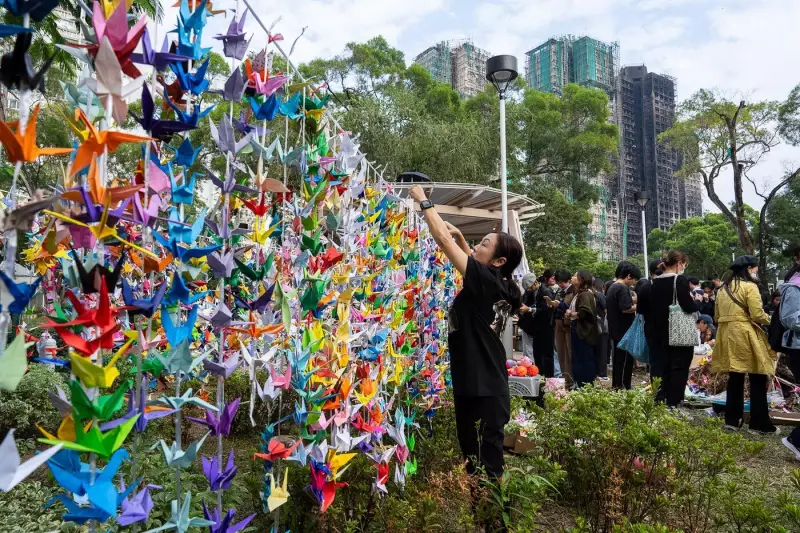
In the aftermath of the fire, a somber scene unfolded as residents and mourners gathered near the charred building. A poignant symbol of remembrance emerged, with people hanging paper cranes near the site. This traditional gesture, often associated with hope and healing, underscored the deep sense of loss felt across Hong Kong. The scale of the disaster has prompted an intense rescue and recovery operation, with emergency crews working tirelessly at the scene.
Investigations and Response Underway
The cause of the fire, which erupted in the Wang Fuk Court residential estate, is now the subject of a major investigation. The high casualty count is expected to lead to serious questions about fire safety standards and emergency protocols in Hong Kong's densely populated public housing. The government has yet to release detailed information on the fire's origin or the conditions inside the building during the incident. This tragedy represents a profound shock to the city, known for its generally high level of urban safety and infrastructure.

A City in Grief
The loss of so many lives, including that of a young toddler, has plunged Hong Kong into a period of collective mourning. The disaster transcends the immediate neighborhood, resonating as a national tragedy. As families wait for news of the missing, the community's act of creating paper cranes serves as a powerful, silent testament to the lives cut short. The coming days will focus on identifying victims, supporting grieving families, and uncovering the facts behind this horrific event.