Vintage Theatre Style Emerges as Top Interior Design Trend for 2026
According to recent data from Pinterest and insights from design experts Colin and Justin, vintage theatre aesthetics are poised to dominate interior design trends throughout 2026. This dramatic shift represents a move away from the minimalist and neutral palettes that have prevailed in recent years toward more expressive, immersive home environments.
Search Data Reveals Growing Interest in Theatrical Decor
Pinterest reports a substantial 35% increase in searches for "opera theatre" decor and a 40% rise in "masquerade decor" inquiries. These statistics indicate a growing public fascination with theatrical elements that bring romance, escapism, and narrative depth to residential spaces. Design enthusiasts appear ready to embrace environments that feel more like curated performances than simple living areas.
Key Elements of Vintage Theatre Style
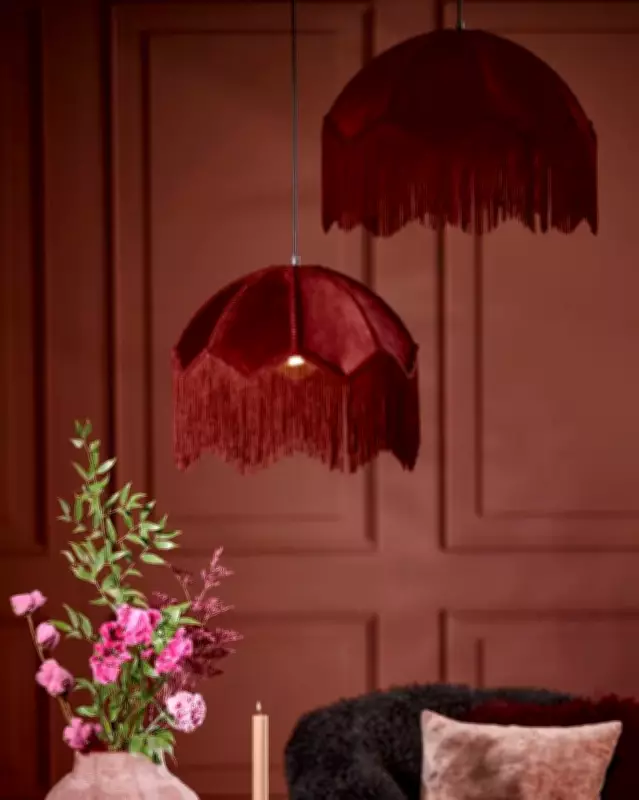
Color Palette: The vintage theatre aesthetic favors bold, emotionally resonant colors that command attention rather than blend into the background. Think rich oxblood reds, deep emerald greens, and luxurious burnished aubergine tones. These hues transform ordinary rooms into spaces that feel special every day, not just during formal occasions.

Textural Richness: Texture plays a starring role in this design movement. Velvet takes center stage, supported by complementary materials including mohair, silk damask, tufted leather, and fringed trims. Walls become part of the performance with flocked wallpapers and murals that suggest stories rather than merely providing pattern.
Lighting Design: As in any theatrical production, lighting proves crucial to creating the right atmosphere. Layered, seductive illumination becomes essential, featuring table and ceiling lamps with pleated shades, sparkling wall fixtures, and liberal use of picture lighting. Dimmer switches become non-negotiable elements for controlling mood and drama throughout the day.
Furniture and Sustainability Considerations
Furniture in vintage theatre style leans toward curvaceous, confident pieces designed for comfort rather than formality. Low-slung sofas with scalloped backs and generous arms encourage relaxed lounging rather than formal sitting. The trend particularly favors vintage pieces with character and history, as slightly worn club chairs or well-used bar carts often outperform pristine new items in creating authentic atmosphere.
Notably, this design approach aligns well with sustainable practices. Restoring and reimagining existing furniture becomes part of the aesthetic charm rather than a compromise. Salvaged seating, antique lighting fixtures, and reclaimed timber floors contribute authenticity that cannot be replicated through lavish spending alone.
Creating Narrative Through Ornamentation
The vintage theatre style treats blank walls as wasted opportunities for storytelling. Gilded mirrors, framed playbills, oversized artwork, and sculptural objects work together to create narrative depth within a space. The key lies in careful curation rather than simple accumulation, with each element feeling intentional and purposeful within the overall design scheme.
Modern Sensibilities Balance Historical References
This trend represents more than simple nostalgia for bygone eras. The most successful theatre-inspired interiors balance old-world glamour with contemporary functionality. Clean-lined joinery, modern artwork, and discreetly integrated smart technology ensure spaces remain practical for 2026 living while maintaining their dramatic atmosphere.
The resulting environments serve emotional as well as aesthetic purposes, creating cocoon-like spaces that provide respite from the fast-paced modern world. These rooms encourage slowing down, hosting with flair, and treating everyday life as an event worth celebrating with intention and style.