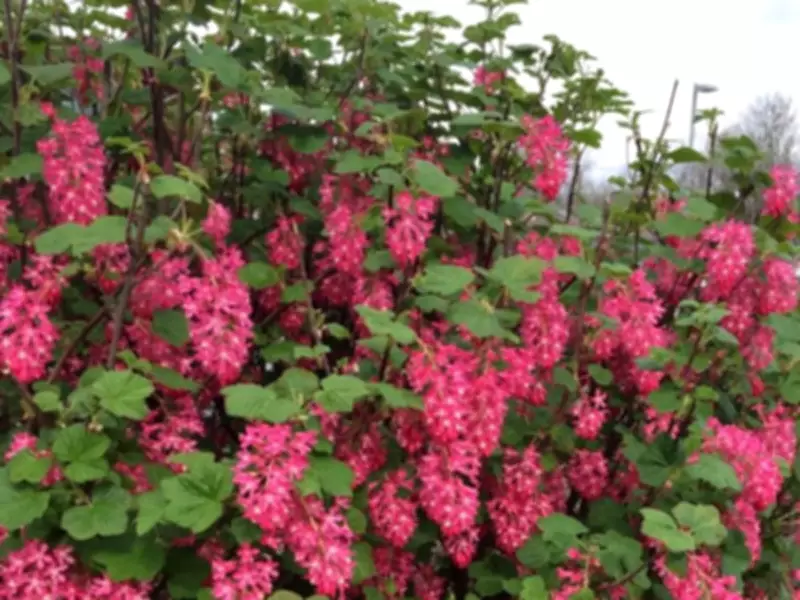
Countless stunning floral displays are lost annually due to improper pruning practices on flowering shrubs. According to gardening expert Brian Minter, the key to preserving these natural beauties lies in understanding the precise timing for trimming. Adopting a simple rule can safeguard your garden's splendor: allow early flowering shrubs to complete their blooming cycle before undertaking any pruning activities.
The Hydrangea Family: A Pruning Conundrum
Among flowering shrubs, hydrangeas present perhaps the greatest pruning challenge for gardeners. The mophead or macrophylla varieties, for instance, already have their buds set to produce flowers in June, July, and August. Pruning these plants prematurely will effectively eliminate that season's floral display. However, strategic pruning by late July is essential to enable the plants to establish buds for the following year's blooms.
Modern Hydrangea Innovations
Contemporary hydrangea breeders have developed solutions to simplify maintenance. They've created more compact plants requiring less pruning and introduced new varieties like the DreamCloud series that bloom both early and late in the growing season. These advancements help gardeners achieve continuous color with minimal effort.

Reblooming Hydrangea Varieties
Several hydrangea cultivars offer extended blooming periods through careful pruning management. The Endless Summer series, along with Proven Winners' Let's Dance and Magical series, have buds set currently but will produce additional flowers on new growth later in summer. Similarly, the hydrangea serrata series, particularly the Proven Winners' Tuff Stuff group, exhibits reblooming characteristics.
Proper maintenance involves:
- Removing spent blossoms as they finish flowering
- Creating space for new growth to develop
- Allowing later blooming buds to establish properly
Late-Summer Blooming Hydrangeas
Hydrangeas that flower in late summer, including the arborescens Annabell, newer Invincibelles, and Incrediball series, operate on a different schedule. These varieties bloom on new growth that develops in early summer, making them suitable for selective pruning now to encourage more compact, fuller flowering plants.
Paniculata Grandifloras: The Late Season Stars
The PeeGee hydrangeas, or paniculata grandifloras, showcase beautiful cone-shaped, multicolored blooms that can be safely pruned back currently for an even more spectacular summer display. Their distinctive floral structure makes them garden favorites for late-season interest.
Size Variations and Pruning Implications
The diverse size range among hydrangea varieties significantly impacts pruning requirements. Compact cultivars naturally minimize maintenance needs. For example:
- H.p. Bobo reaches only 2.5-3 feet (76-91 cm) in height
- H.p. Fire Light Tidbit grows 2-3 feet (61-91 cm) tall and wide
- H.p. Little Lime Punch falls within the 3-5 foot (91-152 cm) range
The popular lime-colored hydrangea blooms demonstrate considerable size variation. The H.m. Little Limes measure 3-5 feet (91-152 cm), while the original Limelight cultivar can reach 7-8 feet (213-244 cm) in both height and width. Understanding these dimensional differences helps gardeners select appropriate varieties for their space and maintenance preferences.
By mastering the timing principles for different flowering shrub types, gardeners can preserve bud development and ensure vibrant, abundant blooms season after season. The intersection of proper technique and varietal knowledge transforms pruning from a potential destruction of beauty into a cultivation enhancement practice.