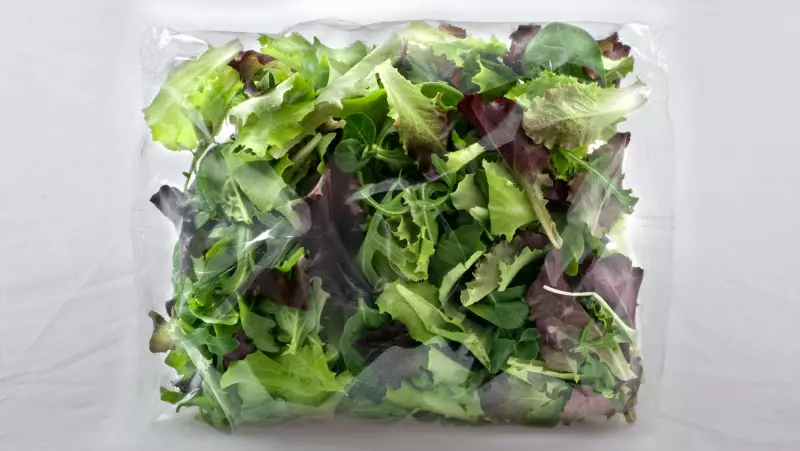
The Convenience Trap: Why Prewashed Bagged Greens Are Riskier Than You Think
For many Canadians seeking to eat nutritiously while saving time, prewashed bagged greens like lettuce and spinach appear to be an ideal solution. However, food safety experts are sounding the alarm that this convenient grocery staple may come with hidden dangers that outweigh its benefits.
A Troubling Reality: Contamination Risks in Every Bag
While consumers expect both convenience and safety, the reality is that prewashed bagged greens remain one of the riskiest items in the grocery store due to contamination risks throughout the supply chain, explains Darin Detwiler, a professor of food policy at Northeastern University and author of Food Safety: Past, Present, and Predictions. He personally avoids purchasing bagged greens because of the potential for deadly E. coli contamination.
Detwiler points to historical data showing that bagged salads have been a leading cause of foodborne illness, with some outbreaks resulting in hospitalizations, kidney failure (hemolytic uremic syndrome), and even death. The risks are not merely theoretical but have been repeatedly demonstrated through numerous documented outbreaks.

The Scale of the Problem: More Common Than Expected
According to a report published in the Journal of Foodborne Illness in April 2024, leafy greens are responsible for up to 9.2% of known pathogen-caused foodborne illnesses in the United States. The report estimates that contaminated leafy greens contribute to over 2.3 million illnesses annually.
Olivia Roszkowski, chef-instructor of plant-based culinary arts and food safety certification at the Institute of Culinary Education's New York City campus, notes that bagged greens are washed and processed in large batches, which is an effective way to spread pathogens. This mass processing approach, while efficient for distribution, creates ideal conditions for contamination to affect thousands of products simultaneously.
How Contamination Occurs: From Farm to Store
The journey of bagged greens from field to consumer involves multiple vulnerable points where contamination can occur:
- On the Farm: Contamination often begins in agricultural settings. Kimberly Baker, a food systems and safety program team director at Clemson University, explains that in the field, produce can become contaminated with pathogens from sources such as contaminated irrigation water, wild or domesticated animals, soil, or air. Roszkowski adds that risks increase when the field is in close proximity to livestock farms or feedlots where animals are being held in densely populated conditions.
- During Processing: Once harvested, greens from multiple farms are typically mixed together at processing facilities. Detwiler warns that greens from different farms are mixed, washed and packaged together, so one contaminated leaf can impact thousands of bags across multiple states. This complicates traceability and amplifies the potential scope of any contamination event.
- In Transportation and Storage: Maintaining proper temperature control is critical but not always achieved. Roszkowski emphasizes that not keeping the greens consistently cold throughout the process of harvesting, processing and transporting can cause bacterial growth to occur. While refrigeration slows bacterial growth, it does not eliminate existing pathogens.
The Ineffectiveness of Home Washing
A common misconception is that additional washing at home can mitigate these risks. Experts unanimously advise against rewashing prewashed greens. Detwiler explains that washing greens at home doesn't make them safer because water won't remove the pathogens. In fact, rinsing prewashed greens can introduce new contaminants from kitchen surfaces.
Baker adds that prewashed greens should not be rewashed at home, as doing so can introduce contamination if the sink, utensils, equipment or hands of the preparer are not properly cleaned or sanitized. Pathogens like E. coli and salmonella can form biofilms that adhere tightly to leaf surfaces, making them resistant to simple rinsing.

Safety Recommendations for Consumers
For those who continue to purchase bagged greens for convenience, experts recommend several precautions:
- Check for Recalls: Regularly consult FDA and CDC websites for outbreak information and recalls before purchasing.
- Examine Packaging: Avoid bags with excess moisture, wilting, discoloration, or slimy leaves, which may indicate improper storage or bacterial growth.
- Monitor Temperature: Keep greens refrigerated at or below 40 degrees Fahrenheit and avoid temperature fluctuations during transport and storage.
- Consider Alternatives: Purchasing whole heads of lettuce or bunches of spinach reduces surface area for contamination and allows for proper home washing before consumption.
As food safety protocols continue to evolve, consumers must remain vigilant about the hidden risks associated with seemingly convenient food products. The choice between convenience and safety becomes particularly significant when considering products that are typically consumed raw, like leafy greens, where cooking cannot eliminate existing pathogens.