If your favourite matcha latte in Montreal has suddenly become a more expensive indulgence, you're witnessing a global phenomenon firsthand. The price of high-quality Japanese matcha powder has skyrocketed, with costs for tea shops nearly doubling within a single year.
The Social Media Surge and a Supply Crisis
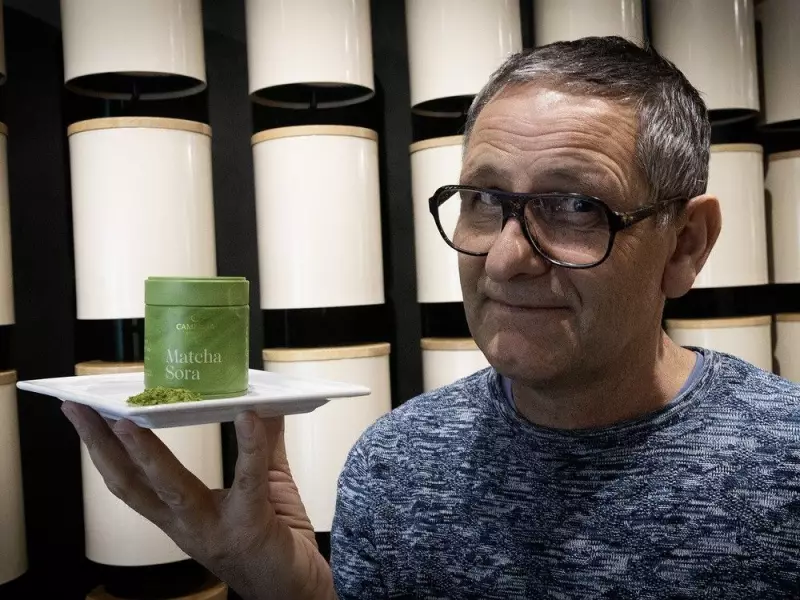
Kevin Gascoyne, buyer and co-owner of the renowned Montreal tea company Camellia Sinensis, states he has never seen such explosive demand in his decades in the tea industry. "In the last two years, it's just exploded," Gascoyne remarked. "It's gone so large that supply just can't keep up with the demand for it." This imbalance has sent prices soaring; the cost for 100 grams of matcha for his company leapt from $26 to $46 in just one year.
Gascoyne and other experts point directly to social media trends, particularly among Generation Z, as the primary engine behind the craze. The unique combination of caffeine and the amino acid L-theanine, which promotes calm alertness, makes it an ideal drink for a younger generation seeking focused energy without jitters. "It's a gorgeous colour, and it makes great Instagram pictures," Gascoyne added, noting the visual appeal fuels its viral status online.

Why Japan Can't Keep Up: Farms, Climate, and Tradition
The heart of the problem lies in the intricate and traditional production of authentic Japanese matcha. For centuries, the best matcha has been cultivated in specific regions of Japan, such as Shizuoka, with conditions compared to famed French vineyards. Rikko Osaki, founder of Toronto-based tea distributor Hokusan, which supplies Montreal cafes like Osmo, explains that the perfect blend of mild weather, mineral-rich soil from Mount Fuji, and ocean proximity creates an ideal environment.
However, scaling up production is not a simple task. Most Japanese tea farms are set up to produce sencha, a different type of green tea, using specific plant cultivars. Switching production to matcha-grade plants is a years-long process. "Just to pull plants out, prepare the land, put new plants in, prune them until they become part of a plucking table — just that is about five years," Gascoyne detailed.
Compounding the issue is an aging workforce and climate change. Osaki notes the average age of Japanese tea farmers is over 70, with younger generations often opting for corporate jobs in cities. Furthermore, global warming damaged a significant portion of the matcha crop this past spring. "It's been too hot," Osaki said. "It literally burned the tea leaf."
A New Source: The Rise of Chinese and Korean Matcha
Faced with scarce and costly Japanese supplies, Montreal tea merchants are being forced to look elsewhere. In a significant shift, Camellia Sinensis will begin selling matcha sourced from China and South Korea in the new year. "It's a first for us," Gascoyne admitted, explaining they previously avoided these sources due to quality concerns.
Traditionally, Chinese matcha was considered lower grade, often identified by its pale grey-green colour compared to Japan's vibrant green powder. However, both Gascoyne and Osaki confirm that Chinese producers have dramatically improved their quality, aided by 30 years of government investment. For use in lattes and smoothies—known as culinary-grade matcha—the slight differences become less noticeable, making these new sources a viable alternative to meet booming demand.
Osaki believes this shift represents more than a passing trend. As younger consumers make different lifestyle choices, opting for matcha over coffee or alcohol, she predicts, "this is going to be like a new normal." For Montreal's matcha lovers, this new normal comes with a much higher price tag, a direct result of a perfect storm of Gen Z enthusiasm, constrained traditional supply, and a warming climate.