As the holiday season winds down, many Canadian households are facing a familiar dilemma: what to do with the mountain of Christmas dinner leftovers. According to a leading food safety expert, the clock is ticking, and knowing the rules can mean the difference between a delicious second meal and a risky bout of food poisoning.
The Four-Day Rule for Refrigerated Leftovers
Professor Lawrence Goodridge, director of the Canadian Research Institute for Food Safety at the University of Guelph, provides clear guidance: properly handled leftovers are safe to eat for only four days in the refrigerator. This means that if your Christmas feast was served on December 25, you should enjoy the final portions by December 29. After this date, it's time to discard any remaining turkey, stuffing, and sides that have been chilling in the fridge.
This rule, however, comes with crucial conditions. The safety of your leftovers hinges entirely on how they were initially stored and subsequently reheated. Ignoring these steps can significantly shorten the safe window and increase health risks.

Beating the "Danger Zone": The Two-Hour Put-Away Rule
The greatest risk to holiday food safety often occurs right after the meal. Professor Goodridge identifies a common post-feast scenario: "Christmas dinner is always a problem because you have this big dinner, there's all this food, and it's left out at room temperature. People fall asleep, or they go to open presents."
This period is critical. Food left at typical room temperature (20°C to 22°C) sits squarely in what experts call the "danger zone." This is the temperature range—between 4°C and 60°C—where bacteria like Salmonella, Listeria, and E. coli can multiply rapidly.
The expert advice is strict: leftovers must be refrigerated or frozen within two hours of serving. If dinner was ready at 7 p.m., everything should be packed away by 9 p.m. Adhering to this two-hour rule is the essential first step in ensuring your leftovers get the full four-day shelf life.
Smart Storage Techniques for Safety
How you store your holiday bounty is just as important as how quickly you do it. Professor Goodridge warns against a common mistake: placing a large, hot pot of stew, soup, or gravy directly into the refrigerator. "That's a major problem because it's hot. So, you put it in the fridge, and it's going to take a long time to cool down because there's so much volume. So it's actually still in the danger zone."
Instead, follow these key steps for safe storage:
- Portion and Separate: Divide large quantities into smaller amounts. Pour liquids like gravy into shallow containers to increase surface area and speed up cooling.
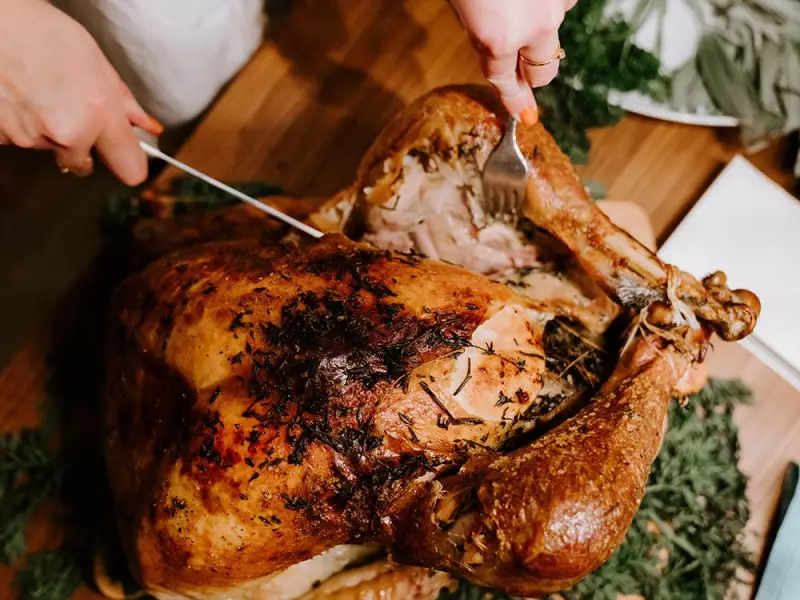
- Prepare Solid Foods: Cut roasted turkey into pieces. While it's fine to store bone-in cuts like legs and wings as they are, removing meat from the carcass helps it cool faster.
- Ensure Proper Fridge Temperature: Use an inexpensive fridge thermometer (available for under $10) to confirm your appliance is between 1°C and 4°C. A warmer fridge accelerates spoilage.
- Allow for Airflow: Don't pack your refrigerator chock-a-block. Leave space for cold air to circulate around containers for even cooling.
Freezing: Your Best Defense Against Food Waste
The holidays often lead to culinary overabundance. If you doubt your ability to consume all leftovers within the four-day window, freezing is your best option. Once frozen, food is safe indefinitely, but it must be frozen within that initial two-hour window after cooking.
Professor Goodridge cautions against procrastination: "Don't get into this, 'Well, we put the leftovers in the fridge for two days, now we're going to freeze them.' Freeze them right away. The only disadvantage of freezing right away is that it'll take longer for you to heat them up. If in doubt, if you think you're not going to use it in the next four days, freeze it."
This applies to items like a turkey carcass intended for stock. If you won't make the stock within a couple of days, freeze the carcass immediately. Once the stock is made, cool it quickly in smaller containers before refrigerating or freezing.

By understanding and applying these food safety principles from a Canadian expert, you can confidently enjoy your holiday leftovers without worry, minimizing both health risks and unnecessary food waste.