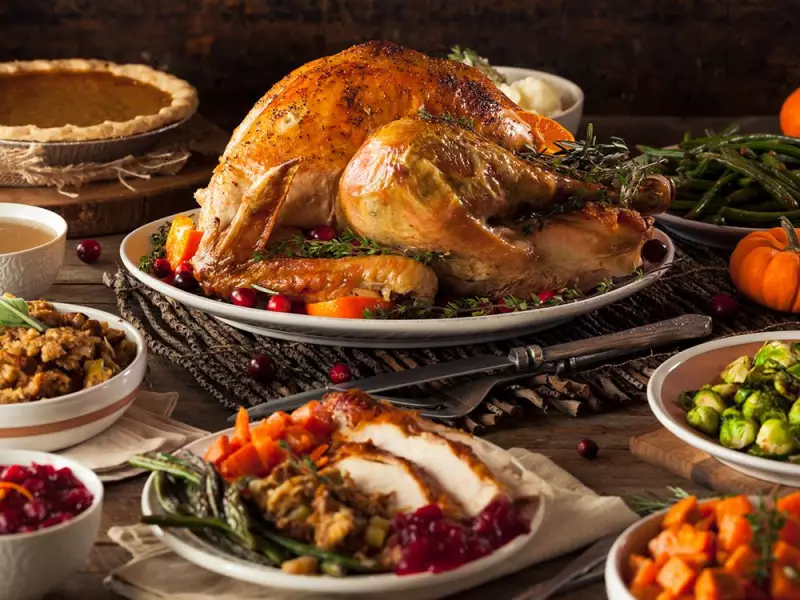
If you find yourself fighting the urge to nap after your Christmas feast, it's time to stop blaming the turkey. While the holiday bird contains tryptophan, an amino acid involved in sleep regulation, it's not the culinary culprit behind your drowsiness, according to a Toronto-based expert.
The Real Culprit Behind Post-Feast Fatigue
Amanda Natividad-Li, a registered dietitian based in Toronto, clarifies that the tryptophan in turkey alone is insufficient to induce sleepiness. "The real culprit? All the carb-loaded sides — think stuffing, potatoes, puff pastry and pie — that boost insulin and push tryptophan into your brain, where it's turned into sleep-promoting serotonin and then melatonin," she explains. This biochemical cascade, triggered by a large, carbohydrate-rich meal, is the true source of that familiar post-dinner slump.
Tryptophan: A Common Amino Acid, Not a Sleep Bomb
Tryptophan is one of 20 essential amino acids the body uses to build proteins, which we must obtain from our diet. Contrary to popular belief, turkey is not a uniquely potent source. Data from the Cleveland Clinic shows that an 85-gram (three-ounce) serving of turkey contains 250 to 300 milligrams of tryptophan.

This amount is comparable to many other common foods:
- Canned tuna: 252 milligrams
- Red snapper: 250 milligrams
- Lobster: 248 milligrams
As the dietitian notes, people rarely complain of needing a nap after a tuna sandwich or lobster roll. Other animal proteins like beef and chicken have similar levels, and sources also include dairy products, oats, nuts, and even chocolate.
How a Persistent Food Myth Took Root
The myth linking turkey directly to sleepiness is rooted in a public misunderstanding of biochemistry, suggests Doug Young, an associate professor in William & Mary's Department of Chemistry. "I think that it's just one of those urban myths that developed because people misunderstood the science," Young stated.
He points out that while tryptophan is a precursor to serotonin and melatonin, the hormones that regulate sleep, the amount in a typical serving of turkey is negligible compared to a therapeutic dose. McGill University's Office for Science and Society notes a typical tryptophan supplement dose for sleep aid is up to four to five grams daily. A five-kilogram (11-pound) turkey contains only about 12 grams total, and no one consumes the entire bird in one sitting.
In fact, many foods contain higher concentrations. "Soybeans have about double the amount of turkey. Parmesan cheese. Even pork has more tryptophan than turkey does," Young adds, emphasizing that turkey is squarely in the middle of the pack for tryptophan content.
The post-Christmas dinner lethargy is far more likely the combined effect of a large, celebratory meal rich in carbohydrates and fats, potentially accompanied by alcohol, and the general relaxation of a holiday gathering. So when you feel your eyelids drooping this holiday season, you can look past the turkey platter to the fuller festive spread for the true reason.