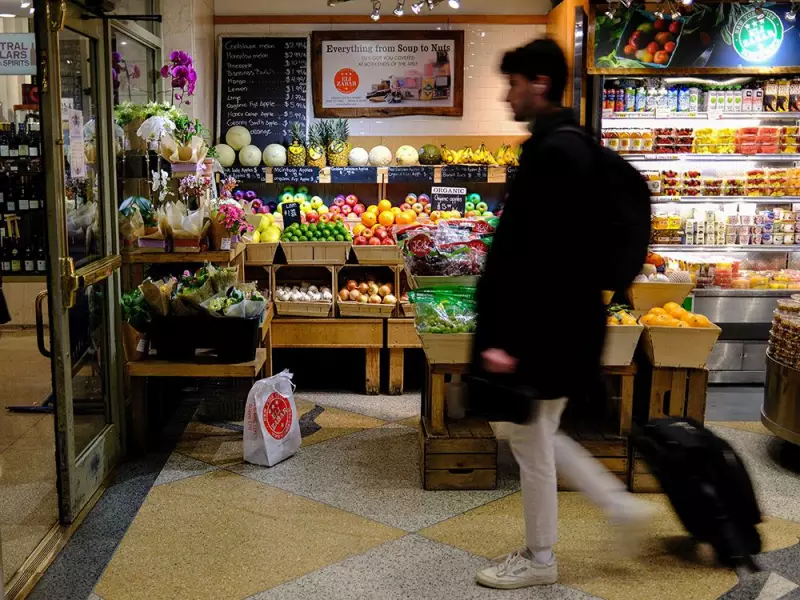
As we look ahead to 2026, the culinary landscape in Canada and beyond is set for a significant shift. Industry experts are forecasting a powerful movement away from artificiality and hyper-optimization, towards a food culture deeply rooted in authenticity, nostalgia, and genuine human connection.
The 2026 Forecast: A Return to Realness and Connection
Leading trend reports from firms like Toronto-based Nourish Food Marketing and insights from Pinterest point to a collective yearning for what's real. The overarching theme for the coming year is a backlash against "faux perfection" and a desire for substance in an increasingly digital and fractured world.
Jo-Ann McArthur, founding partner and president of Nourish Food Marketing, emphasizes this pivot. Her firm's 2026 report, titled "The Return of Real," identifies a growing emphasis on "real" ingredients. This is expected to manifest in the declining popularity of meat alternatives and a resurgence of traditional dairy milk over plant-based substitutes. More profoundly, it highlights a critical need for "real" human connection, especially as artificial intelligence becomes more embedded in daily life.

"I think you’re going to see the value of experiences, of connection, go up," McArthur states. "And, of course, how do we connect as a species? It’s over food." This focus is underscored by the U.S. surgeon general's 2023 warning that loneliness poses a global health threat with effects comparable to smoking 15 cigarettes daily.
Key Trends Shaping the Plate
The forecast outlines several specific trends set to define 2026:
The Demise of 'Maxxing': The trend of "protein maxxing" and other hyper-focused dietary optimization strategies is predicted to wane. Consumers are moving away from solitary, regimented approaches to eating and health.
Nostalgia Blended with Creativity: Expect a wave of comfort foods and familiar flavours, but reimagined with creative, modern twists. This trend satisfies the emotional pull of the past while offering novel culinary experiences.
Longevity Through Community: While the pursuit of longevity remains strong, the understanding of how to achieve it is evolving. McArthur points to the landmark 80-year Harvard Study of Adult Development, which found that strong community and social connections are more critical for a long, happy life than wealth or fame. This contrasts with isolated approaches like certain biohacking ideologies.
Continued Impact of GLP-1 Drugs: Medications like Ozempic will continue to influence the food industry. McArthur anticipates new drug iterations with fewer side effects, ongoing research into muscle mass preservation, and significant market changes as Ozempic comes off patent in Canada in 2026, paving the way for more affordable generic versions.
The Broader Food System Context
The trend report also signals ongoing challenges within the broader food ecosystem. McArthur expects the polarization and politicization of the food system to persist, heavily influenced by discourse in the United States. Additionally, the erosion of traditional social rituals—from workplace water-cooler chats to meeting friends for a drink—is creating a void that the shared experience of food is uniquely positioned to fill.
In essence, the food trends of 2026 reflect a societal course correction. After years of experimentation with alternatives and optimization, the focus is swinging back to fundamentals: genuine ingredients, meaningful shared experiences, and the simple, profound comfort of food that feels real and connected to our shared humanity.