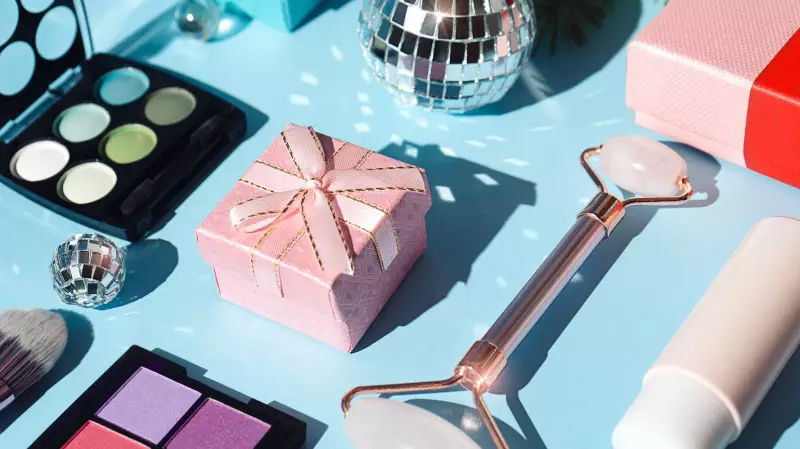
Beauty products may appear to be a foolproof holiday gift idea, promising relaxation and pampering. However, experts warn that selecting the wrong item can lead to skin irritation, wasted money, and even unintended offense. The key, according to dermatologists, is to prioritize gifts of comfort and skin health over those aimed at "correction."
Potentially Problematic Products: What to Skip
Luxury skincare items containing potent active ingredients are a common pitfall. Dr. Sonia Badreshia, a board-certified dermatologist at Elite MD in California, advises against gifting retinol, exfoliating treatments, or facial cleansing brushes without knowing the recipient's skin tolerance. "Giving retinol without knowing someone’s tolerance can lead to peeling and irritation," she explained. Exfoliating peels can trigger sensitivity, and brushes can cause micro-tears.
Fragrances, while classic, carry significant risk. Makeup artist and artistic director Marylisa Diaz notes that scent is deeply personal, and many people have sensitivities or allergies. Dr. Corey L. Hartman, founder of Skin Wellness Dermatology in Alabama, agrees, stating fragrances smell different on everyone and aren't universally worn. The sole exception is if you know a partner's specific, requested scent.

Other gifts on the no-go list include waxing kits, deemed "far too personal," and lip plumpers, which often contain irritants like cinnamon or menthol. Corrective products are particularly fraught. "Products meant to ‘fix’ skin problems send the wrong message," Dr. Badreshia said. Anti-aging kits, cellulite creams, hair-loss products, and acne treatments can easily be perceived as criticism, even with good intentions.
The Perils of Guessing Shades and Supplements
Makeup gifts require precise knowledge. Foundation, concealer, and even lipstick are highly personal choices where shade matching is critical. "Finding the right shade can be tricky, and the wrong color makes the product unusable," Diaz emphasized. Dr. Hartman adds that foundations must also align with skin type, like oily or dry skin.
Beauty supplements and products targeting body odors are also inappropriate gifts. "You aren’t aware of their dietary needs and if they are taking medications that would be contradictory to the supplement," Dr. Hartman cautioned, noting many supplements are ineffective. He strongly advises against gifting deodorant, body sprays, or any weight-loss products, calling them "very personal" decisions.
Safe and Soothing Alternatives for Gifting
Experts unanimously recommend shifting focus to gentle, hydrating, and relaxing self-care items that benefit all skin types. "Everyone benefits from barrier-supporting hydration, especially during the holidays," said Dr. Badreshia. She suggests looking for products with ingredients like ceramides, glycerin, or hyaluronic acid, such as hydrating masks, luxurious body lotions, or zinc-based mineral sunscreens.
Dr. Hartman recommends silk pillowcases, "especially for anyone with textured hair, curly hair, or who wears their hair in a protective style." For makeup enthusiasts, Diaz suggests quality brush sets or facial massage tools like jade rollers and gua sha stones, which are seen as luxurious and relaxing without the risk of a wrong shade.
Ultimately, even these safer beauty gifts are best reserved for people whose preferences and routines you know intimately. "Context is important for beauty gifts," Dr. Hartman concluded. He recommends knowing someone well, be it a friend or family member, and avoiding beauty products for acquaintances or gift exchanges.