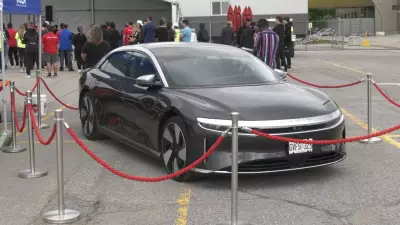
In a strategic move to accelerate its autonomous vehicle ambitions, Uber has announced a substantial investment exceeding US$100 million dedicated specifically to developing charging infrastructure for its future robotaxi fleet. This significant financial commitment underscores the company's determination to overcome one of the key logistical hurdles in deploying self-driving cars at scale.
Fueling the Future of Urban Mobility
The investment, confirmed in February 2026, is a direct response to the growing need for reliable and efficient charging solutions as Uber intensifies its push into the autonomous vehicle sector. Industry analysts view this as a critical step, as the success of robotaxi services is heavily dependent on robust infrastructure to keep vehicles operational and minimize downtime.
A Strategic Infrastructure Play
This capital infusion is earmarked for the deployment of specialized charging stations and related technologies tailored for autonomous electric vehicles. The initiative is not merely about installing more chargers; it involves developing smart charging networks that can integrate seamlessly with Uber's ride-hailing platform and autonomous driving systems. This includes potential advancements in wireless charging, automated plug-in systems for driverless cars, and energy management software to optimize charging schedules based on demand patterns.

The timing of this announcement is pivotal, coming as several tech and automotive companies race to commercialize autonomous ride-hailing services. By proactively investing in this enabling infrastructure, Uber aims to secure a competitive advantage, ensuring its fleet remains powered and ready to meet passenger demand without the constraints of limited charging availability.
Broader Implications for the EV and Tech Ecosystems
This move signals a deeper convergence of the transportation, energy, and technology sectors. Uber's investment is expected to stimulate further innovation in EV charging technology, particularly solutions designed for high-utilization commercial fleets rather than personal vehicles. It also highlights the immense capital requirements for bringing autonomous mobility networks to fruition, extending beyond vehicle development to the essential physical and digital infrastructure that supports them.
Financial observers note that this commitment, while substantial, represents a calculated bet on a future where autonomous vehicles form the backbone of urban transport. The success of this infrastructure push could lower the operational costs of robotaxis, making the service more economically viable and potentially more accessible to consumers in the long term.
As Uber channels over $100 million into this venture, the industry will be watching closely to see how this infrastructure development shapes the timeline and scalability of its much-anticipated robotaxi service launch, marking a new chapter in the evolution of ride-hailing and automated transportation.