Regulator Confirms Tire Producers Meeting Standards Despite Persistent Pickup Complaints
In a recent statement, the regulatory authority has affirmed that tire manufacturers are fully complying with established rules and safety standards. This declaration comes amid ongoing complaints from consumers regarding issues with pickup truck tires, highlighting a disconnect between regulatory assessments and real-world experiences.
Field Insights from Auto Repair Professionals
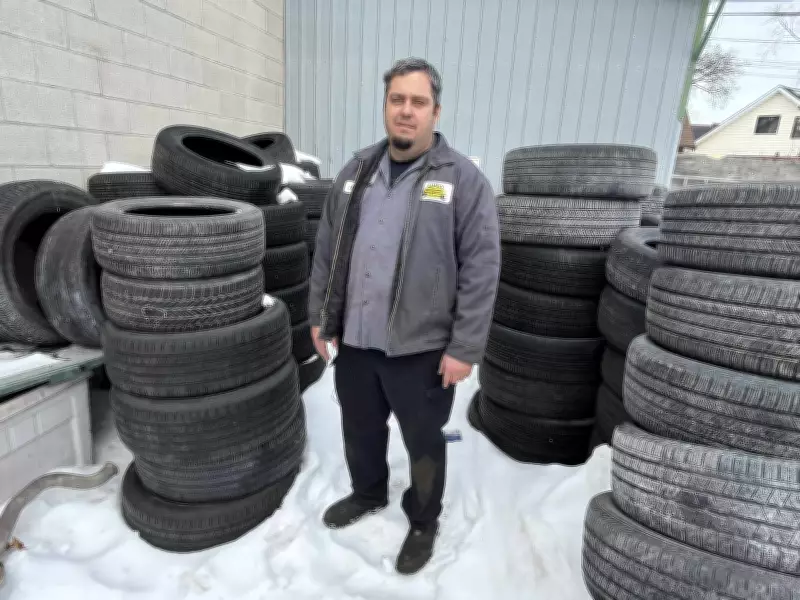
Justin Lapointe, the owner of Justin’s Auto Repair in east Windsor, Ontario, provided firsthand observations from his shop. "We see a steady stream of pickup owners coming in with tire-related concerns," Lapointe noted on Monday, February 9, 2026. "While the regulators say everything is up to code, the feedback from drivers suggests there might be gaps in durability or performance under specific conditions."
Lapointe emphasized that many complaints revolve around premature wear, uneven tread patterns, and reduced traction in adverse weather. These issues are particularly prevalent in pickup models used for heavy-duty tasks or frequent off-road driving. Despite this, the regulator maintains that all tire producers are meeting the necessary compliance benchmarks.

Regulatory Perspective and Consumer Advocacy
The regulator's stance is based on rigorous testing protocols and periodic audits of manufacturing facilities. Officials argue that the complaints, while valid from a consumer standpoint, do not indicate systemic failures in regulatory adherence. "Our data shows that tire producers are operating within the legal frameworks," a spokesperson stated. "We continuously monitor the market and investigate any anomalies to ensure public safety."
However, consumer advocacy groups urge for more transparent communication and potential revisions to testing standards. They point out that real-world usage often differs from laboratory conditions, and current regulations might not fully account for the diverse demands placed on pickup tires.
- Compliance Verification: Regular audits confirm tire producers meet all regulatory requirements.
- Consumer Reports: Pickup owners report issues like wear and traction problems.
- Industry Response: Manufacturers are encouraged to enhance durability testing.
- Future Steps: Regulators may review standards based on field data.
As the situation develops, stakeholders are calling for collaborative efforts between regulators, producers, and repair experts like Lapointe to address concerns without compromising safety or compliance. The dialogue aims to bridge the gap between official standards and practical tire performance, ensuring both regulatory integrity and consumer satisfaction in the automotive sector.