Tesla Discontinues Revolutionary Model S That Transformed Auto Industry
In a significant announcement that marks the end of an era, Tesla has confirmed it will discontinue production of the Model S, the groundbreaking electric sedan that fundamentally reshaped the automotive landscape and forced every traditional automaker to accelerate their electric vehicle programs.
The Vehicle That Changed Everything
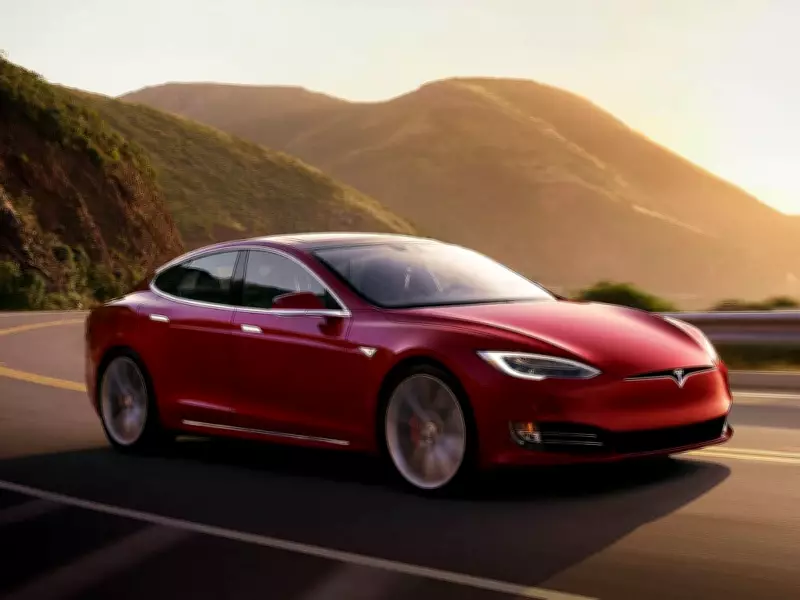
When Elon Musk first unveiled the Model S to automotive journalists in 2011, few could have predicted the seismic impact this sleek, silent sedan would have on global transportation. The vehicle represented more than just another new car model—it was a technological statement that challenged over a century of automotive convention.
The Model S introduced consumers to an entirely different driving experience, with its whisper-quiet operation, instant acceleration, and minimalist interior design that eliminated traditional controls in favor of a massive touchscreen interface. Unlike the high-performance sports cars that dominated automotive conversations at the time, the Model S prioritized efficiency, technology, and sustainability without compromising on performance.

From Niche Curiosity to Industry Catalyst
In the early days, even automotive insiders approached Musk's claims with skepticism. The notion that a silent electric sedan could outperform luxury sports cars seemed improbable, and the concept of a "laptop on wheels" appeared more like science fiction than practical transportation.
Yet the Model S proved transformative. Tesla has sold hundreds of thousands of Model S vehicles worldwide, with cumulative sales of the Model S and Model X exceeding 630,000 units. More importantly, the vehicle's success elevated Tesla to unprecedented heights, making it the only automaker included in the "Magnificent 7" stocks that led S&P 500 gains alongside tech giants like Apple, Microsoft, and Amazon.
Creating a New Competitive Landscape
The Model S's most significant legacy lies in how it forced the entire automotive industry to evolve. Before the Model S demonstrated that electric vehicles could be desirable, practical, and profitable, most legacy automakers treated electrification as a distant future possibility rather than an immediate priority.
The vehicle created a competitive race that didn't previously exist, compelling established manufacturers from Detroit to Stuttgart to Tokyo to accelerate their electric vehicle development programs. What began as Tesla's ambitious project became an industry-wide transformation, with every major automaker now offering or developing electric vehicles to compete in the market the Model S created.
Evolution and Transition
While the Model S revolutionized the industry, its position has evolved over time. The vehicle that once stood alone as a premium electric option now competes in a crowded marketplace filled with electric vehicles from virtually every major manufacturer. Tesla's first-mover advantage has diminished as competitors have caught up with their own compelling electric offerings.
Recent challenges have prompted strategic shifts at Tesla, with the company now emphasizing robotics and artificial intelligence alongside its automotive business. The decision to discontinue the Model S comes as Tesla faces increased competition, changing market dynamics, and evolving consumer preferences in the electric vehicle space.
A Lasting Legacy
The Model S wasn't Tesla's first vehicle—that distinction belongs to the limited-production Roadster built on a Lotus chassis—but it was the company's first ground-up design and the vehicle that propelled Tesla to become the world's most valuable automaker by 2020.
Despite its discontinuation, the Model S's impact will continue to resonate throughout the automotive industry. The vehicle demonstrated that electric transportation could be:

- Technologically sophisticated
- Commercially viable
- Environmentally responsible
- Desirable to mainstream consumers
As the automotive world continues its transition toward electrification, the Model S will be remembered as the catalyst that accelerated this transformation, proving that electric vehicles could compete with and often surpass their internal combustion counterparts in performance, technology, and consumer appeal.