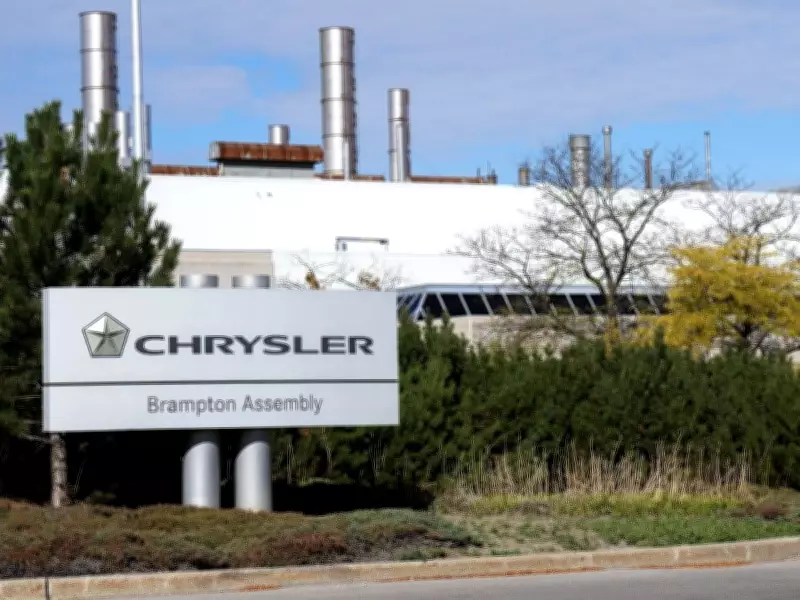
Stellantis and the Canadian government are actively engaged in discussions to formulate a viable strategy for restarting production at the currently inactive Brampton assembly plant, according to recent statements from the automaker. This development follows the company's announcement last October that production of the Jeep Compass SUV was relocated to Illinois, a move designed to support Stellantis's substantial $13 billion investment plan in the United States and circumvent import tariffs imposed by President Donald Trump on Canadian goods.
CEO Emphasizes Commitment to Canadian Manufacturing
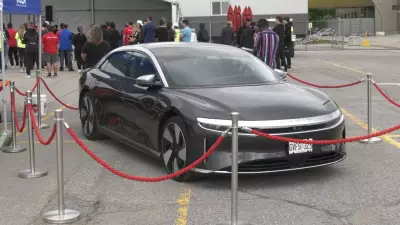
During an interview with BNN Bloomberg TV at the Canadian International Autoshow in Toronto, Stellantis Canada CEO Trevor Longley reaffirmed the company's dedication to automotive manufacturing in Canada. "We've been making cars in Canada for 100 years and we want to continue making cars in Canada for the next 100," Longley declared. He emphasized that the automaker is "working proactively" with both the Canadian government and Unifor, the union representing workers at the Brampton facility, to identify sustainable solutions for the plant's future.
Addressing Tariff Challenges and Government Incentives
Longley highlighted the need to resolve tariff-related obstacles, noting that importing vehicles into Canada has often been more cost-effective than domestic production in recent years. He expressed interest in learning more specifics about the federal government's initiative to sustain auto manufacturing within the country, which includes a system of import credits. These credits can be utilized to import vehicles manufactured in the U.S. without incurring tariffs and are also tradable among companies, potentially offering a financial mechanism to support local production.

Positive Shift in Windsor Amid Brampton Uncertainty
In a contrasting positive development for the Canadian automotive sector, Stellantis announced the introduction of a new third shift at its Windsor assembly plant this week. This expansion is set to commence production shortly, adding over 1,700 workers and restoring the plant to nearly full capacity with approximately 6,000 employees. Notably, the third shift includes nearly 250 employees who chose to transfer from the Brampton facility, indicating internal mobility within the company.
Windsor Mayor Drew Dilkins welcomed this milestone, stating in an official release that it "reinforces Windsor's vital role in North America's automotive sector" and strengthens local economic activity. While the Brampton plant remains idle, these collaborative efforts between Stellantis, government entities, and labor representatives aim to secure a long-term manufacturing presence in Canada, balancing global trade dynamics with domestic industrial goals.